What Is Server Security Monitoring and How Does It Fit Website Workflows?
Server security monitoring scans production servers for threats like unauthorized browser access. Integration with website workflows detects compliance risks via logs and performance metrics. DevOps teams receive alerts on anomalies.
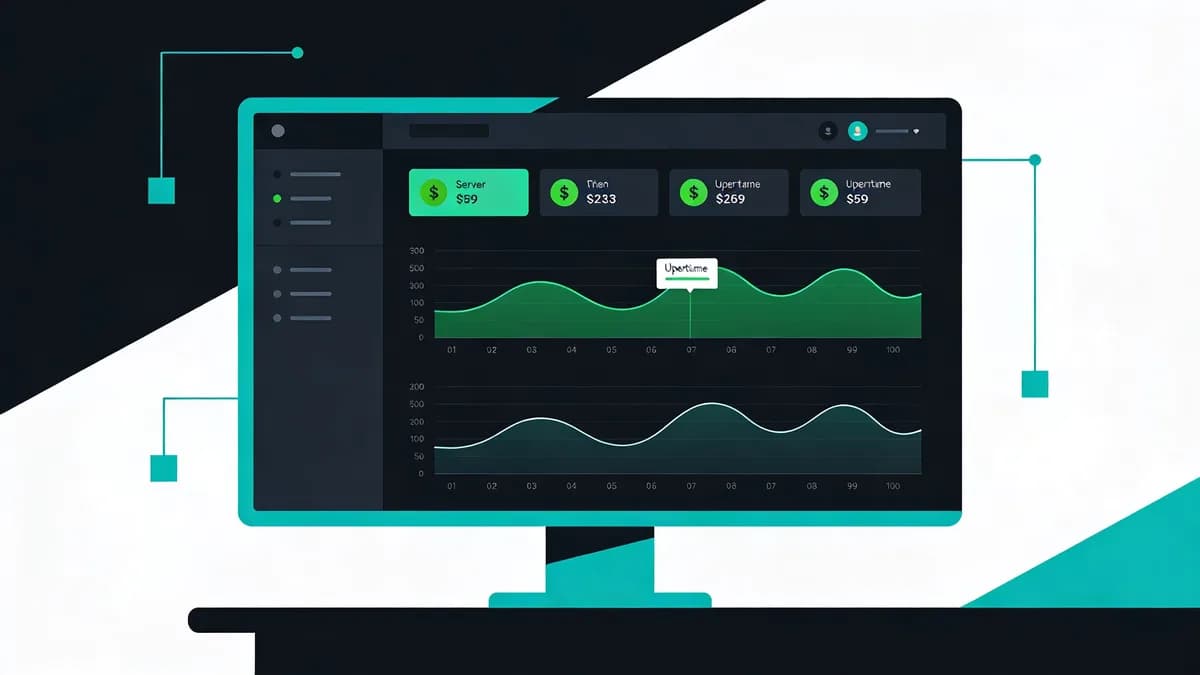
Server security monitoring examines server logs. Uptime monitoring tools flag server slowdowns from unauthorized software. Visual Sentinel integrates uptime checks on paid plans (Starter is $30/month for 15 monitors, Business is $80/month for 60).
A file-integrity tool such as AIDE or auditd file watches can flag unexpected executable additions. Visual Sentinel does not provide file-integrity monitoring. Website content monitoring checks the text served by the website.
How Does Unauthorized Browser Access Affect Production Server Compliance?
Unauthorized browser access on production servers introduces risks like malware injection and data leaks. Unneeded software conflicts with server hardening practice: NIST SP 800-123 says to remove or disable services, applications and protocols that are not required. Alerts on unexpected processes maintain secure workflows.
Content monitoring checks for expected or forbidden website text. Compliance audits review server logs and investigate unexpected processes.
What Key Indicators Signal Unauthorized Browser Installations on Servers?
Key indicators include unusual process names like chrome.exe on servers. Unexpected CPU usage can warrant investigation. Network traffic targets browser update servers. Server security monitoring tools scan logs to identify these. SREs receive alerts for investigation.
Performance monitoring measures website performance. Tools like Datadog collect host metrics and process data (Infrastructure Pro is $15 per host per month billed annually, $18 month-to-month). Investigate unexpected network activity alongside process changes.
How to Integrate Server Security Checks with Uptime Monitoring Tools?
Pair server process checks with uptime monitoring. To find a browser on a Linux server, list running processes with ps -eo pid,user,comm | grep -Ei 'chrom|firefox' and installed packages with dpkg -l | grep -Ei 'chrom|firefox' (Debian/Ubuntu) or rpm -qa | grep -Ei 'chrom|firefox' (RHEL). To be told when one starts, add an auditd watch such as auditctl -w /opt/google/chrome/chrome -p x -k browser_exec and read the browser_exec key in your log shipper. Visual Sentinel does not scan server processes; it watches what the site serves (uptime, SSL, DNS, visual and content checks), which shows the result of a compromise from the outside.
A 1-minute uptime interval is available on Business and Agency. It is not real-time. UptimeRobot's free tier monitors 50 URLs at 5-minute intervals from one region. Its four regions are North America, Europe, Asia and Australia; checking from several at once is a paid feature. Visual Sentinel vs UptimeRobot comparison describes their website checks.
What Role Does Log Analysis Play in Detecting Server Security Threats?
Log analysis in server security monitoring reviews access patterns and process creations to spot unauthorized browser activity. Unexpected outbound HTTP requests from a server can point to unwanted software. Integration with website monitoring provides automated alerts on compliance deviations.
Analyze access logs for unexpected login patterns.
Log platforms such as Splunk ingest server and access logs so you can search for unexpected processes and requests. Investigate unexpected HTTP requests from servers.
How Can Visual Monitoring Detect Unauthorized Changes on Production Servers?
Visual monitoring compares website screenshots against an accepted baseline. Alerts flag unexpected visible page changes for investigation.
Visual Sentinel runs visual checks every 30 minutes on Solo and every 15 minutes on Starter, Business and Agency. Plans are $15, $30, $80 and $300 per month.
What Alerts Should Trigger for Unauthorized Access in Server Monitoring?
Alerts trigger for process anomalies like browser executions. Investigate unexpected network traffic and failed access controls. Configure notifications through the security tool.
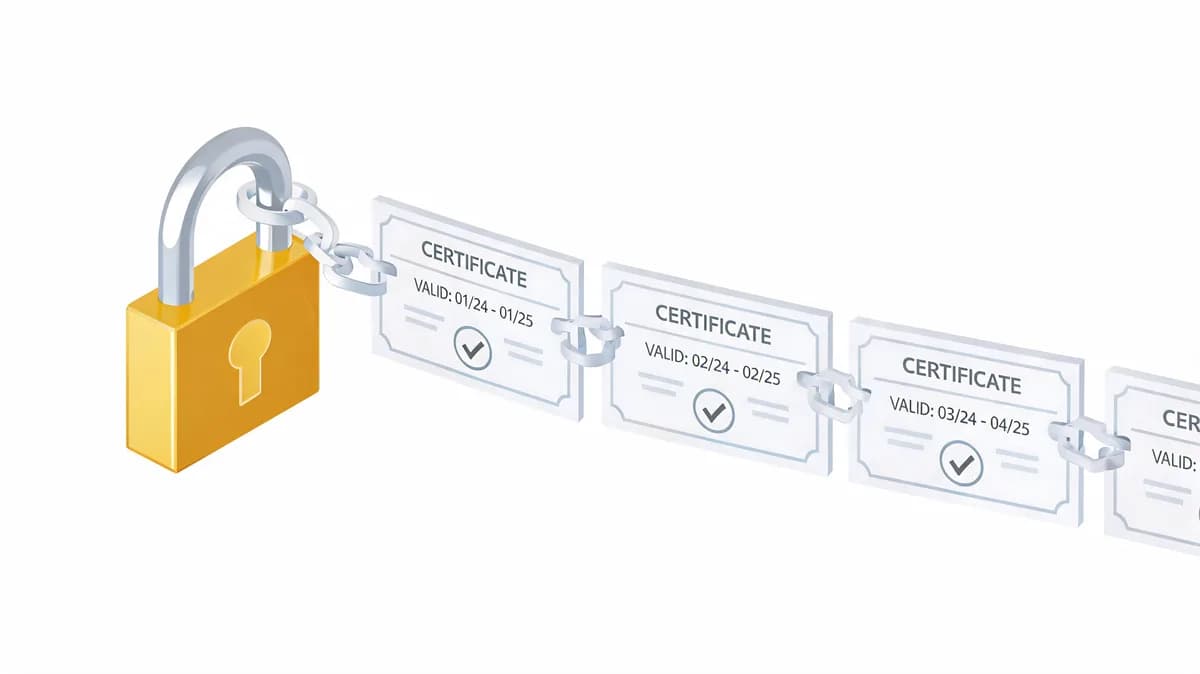
SSL monitoring checks website certificate validity and expiry.
Pingdom (SolarWinds) sends alerts starting at $16.50/month billed annually or $18 monthly for 10 uptime checks, differentiating with 100+ global checkpoints. Investigate unexpected browser executions.
How Does Content Change Detection Enhance Server Security Monitoring?
Server file monitoring checks for unauthorized additions like browser executables. Alerts notify on modifications that signal compliance risks.
DNS monitoring alerts you when records change, which can show a hijacked or redirected domain.
New Relic provides infrastructure and application observability.
Why Use Multi-Layer Monitoring to Prevent Browser Risks on Servers?
Multi-layer monitoring combines uptime, SSL and visual website checks.
Visual Sentinel sends alerts by email, Slack, Discord, Microsoft Teams, Telegram, PagerDuty, Opsgenie, webhooks, WhatsApp, Prometheus and mobile push.
Run a website of your own? Read about keeping watch over your own website, so an alert tells you when something on it breaks.
Check your site while you read
Run a free check for regional reachability, response time, redirect handling, TLS evidence, and DNS resolution. No account is required.
Check a site freeCommon questions
What Is Server Security Monitoring and How Does It Fit Website Workflows?
Server security monitoring scans production servers for threats like unauthorized browser access, integrating with website workflows to detect compliance risks via logs and performance metrics.
How Does Unauthorized Browser Access Affect Production Server Compliance?
Unauthorized browser access on production servers introduces risks like malware injection and data leaks, and conflicts with server hardening practice: NIST SP 800-123 says to remove or disable services, applications and protocols that are not required.
What Key Indicators Signal Unauthorized Browser Installations on Servers?
Key indicators include unusual process names like chrome.exe on servers, unexpected CPU usage, and network traffic to browser update servers. Server security tools inspect processes and logs for investigation.
How to Integrate Server Security Checks with Uptime Monitoring Tools?
To find a browser on a Linux server, list processes with ps and installed packages with dpkg or rpm, and add an auditd watch so you are told when one starts. Visual Sentinel does not scan server processes; its uptime, SSL, DNS, visual and content checks show the result from the outside.
What Role Does Log Analysis Play in Detecting Server Security Threats?
Log analysis in server security monitoring reviews access patterns and process creations to spot unauthorized browser activity, such as unexpected HTTP requests from servers.
How Can Visual Monitoring Detect Unauthorized Changes on Production Servers?
Visual monitoring compares website screenshots against a baseline, flagging unexpected visible page changes for investigation.