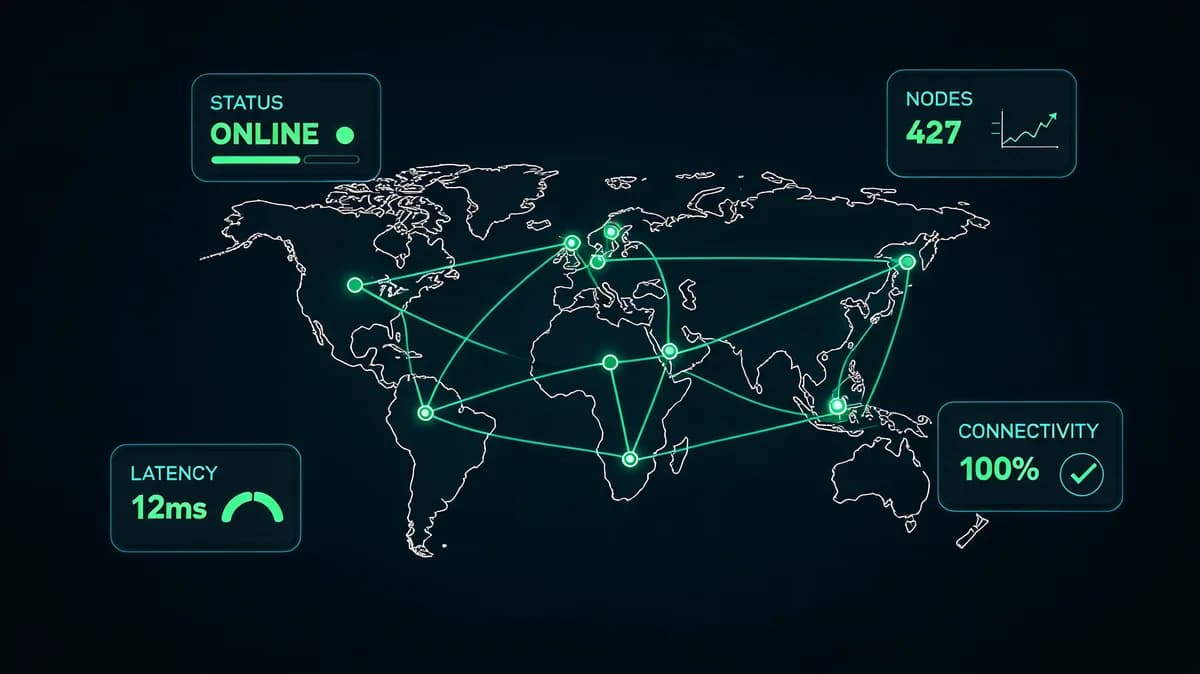
Best Server Monitoring Tools for Your Homelab
Compare UptimeRobot, Pingdom, Better Stack, Datadog, Grafana Cloud and Visual Sentinel for a homelab, from a single NUC to a Kubernetes cluster: check intervals, free tiers, prices and alert channels.
Field notes
Practical writing on uptime, visual monitoring and the things a status check does not see.
Showing 60 articles. Page 1 of 2.
Compare UptimeRobot, Pingdom, Better Stack, Datadog, Grafana Cloud and Visual Sentinel for a homelab, from a single NUC to a Kubernetes cluster: check intervals, free tiers, prices and alert channels.
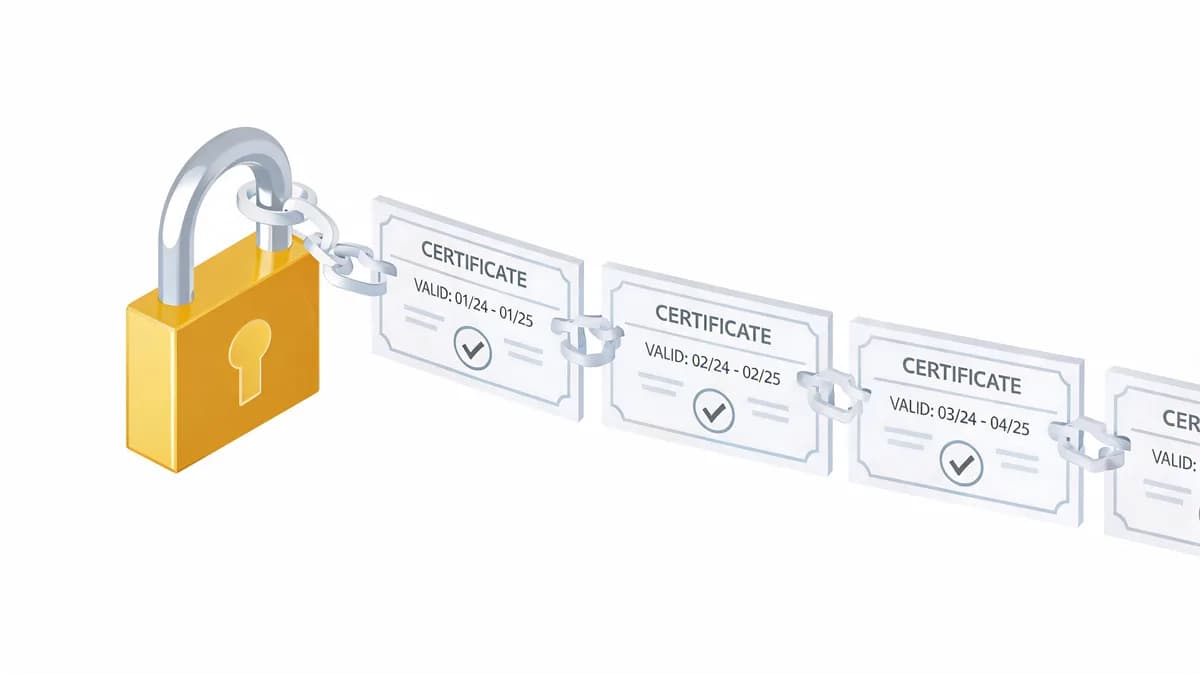
Proactive SSL certificate monitoring is critical for enterprise stability. An expired certificate can take a service offline. Automated tools check certificates and send alerts before the expiry date.
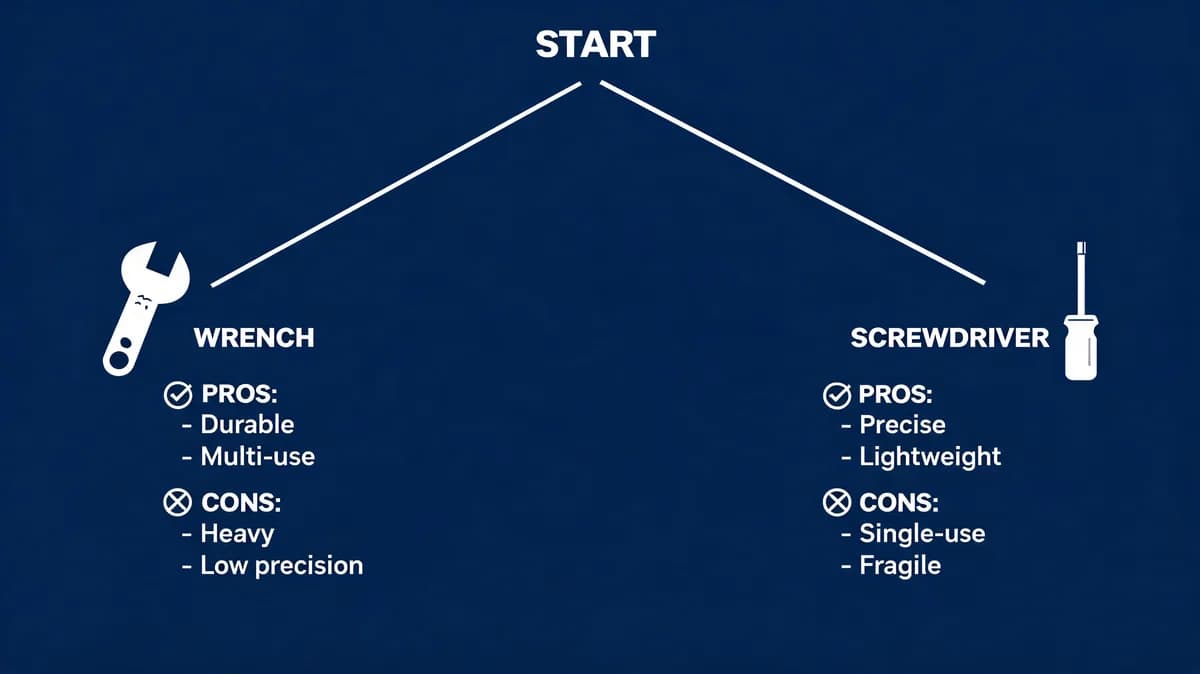
While Portainer excels in container orchestration, many organizations require broader monitoring capabilities. This article compares solutions that offer advanced website, application, and infrastructure oversight, moving beyond just container management.
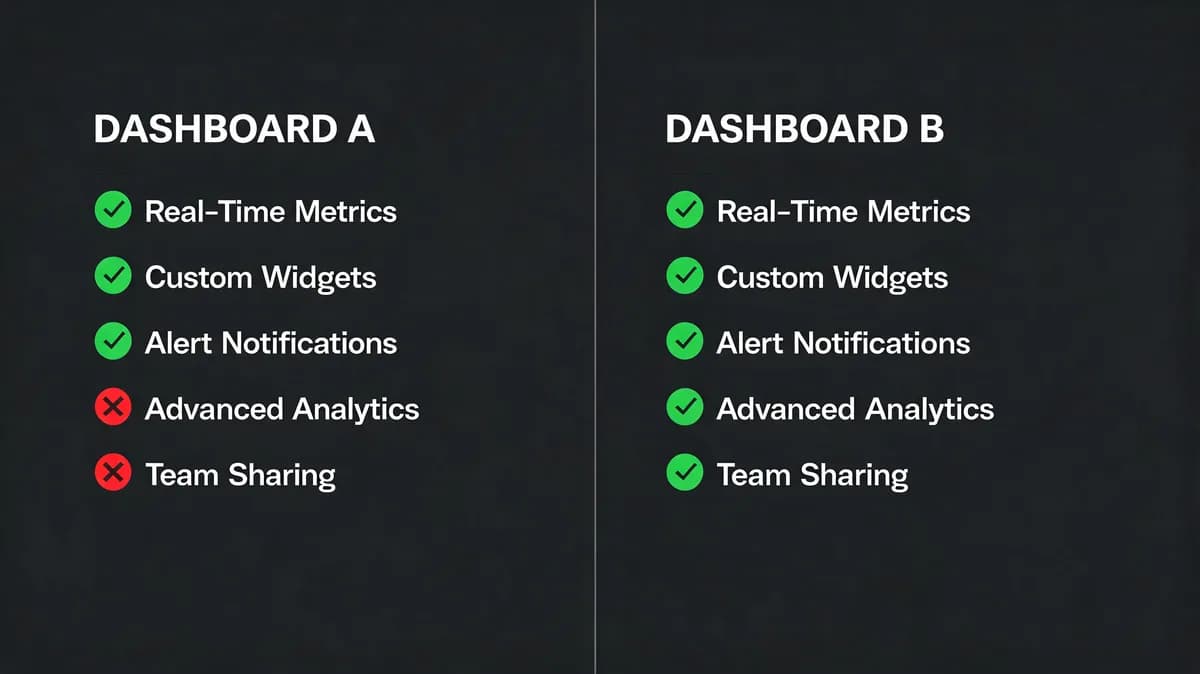
Site24x7 covers websites, servers, apps and networks. Visual Sentinel checks uptime, page speed, SSL, DNS, screenshots and page text.
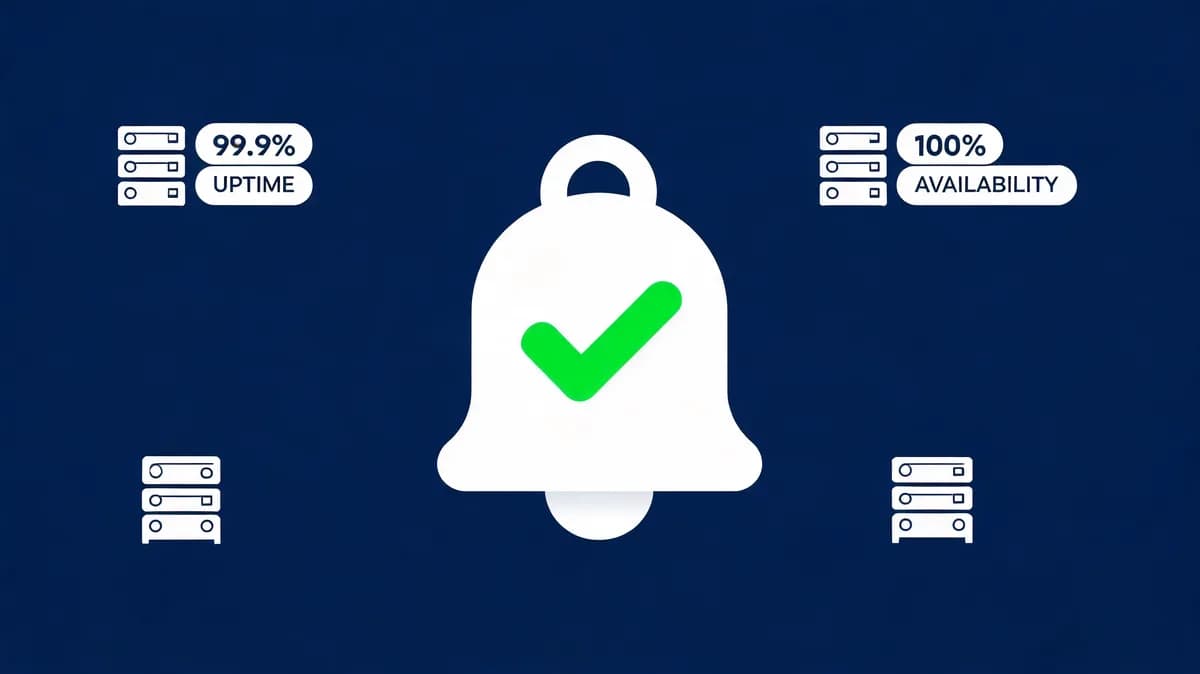
Compares Datadog, Grafana Cloud, Site24x7 and Better Stack on price, check frequency, retention and protocols, using each vendor's current pricing and documentation.
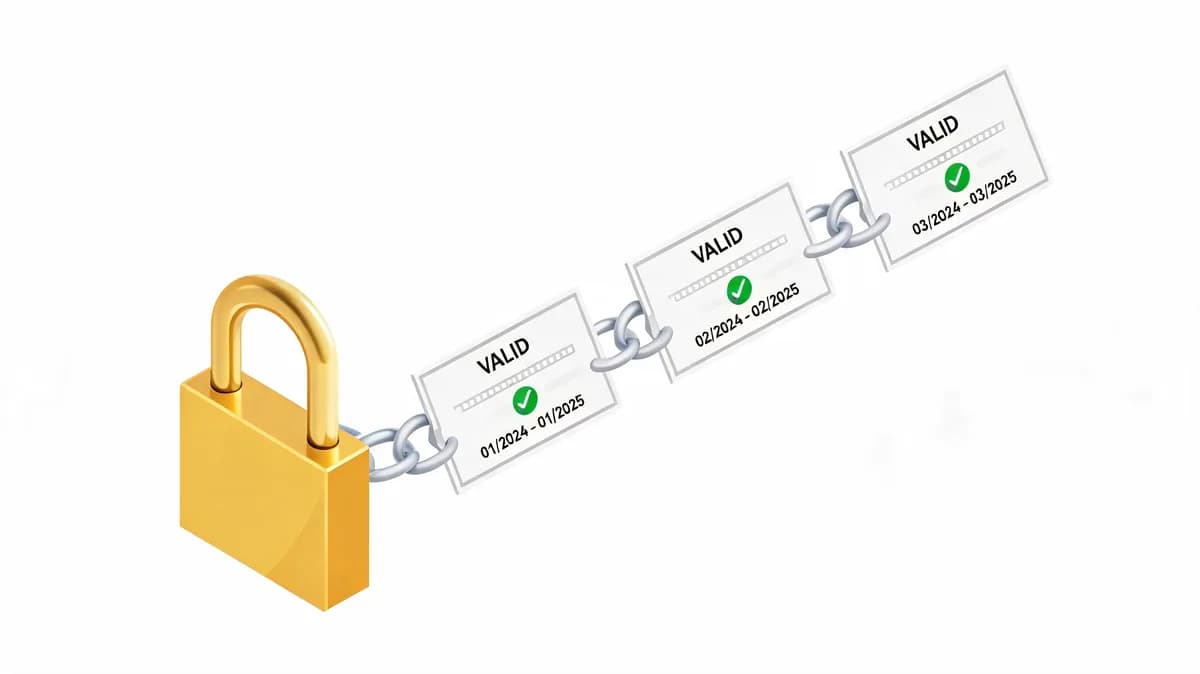
An expired SSL certificate makes browsers warn visitors and block the site until the certificate is renewed.
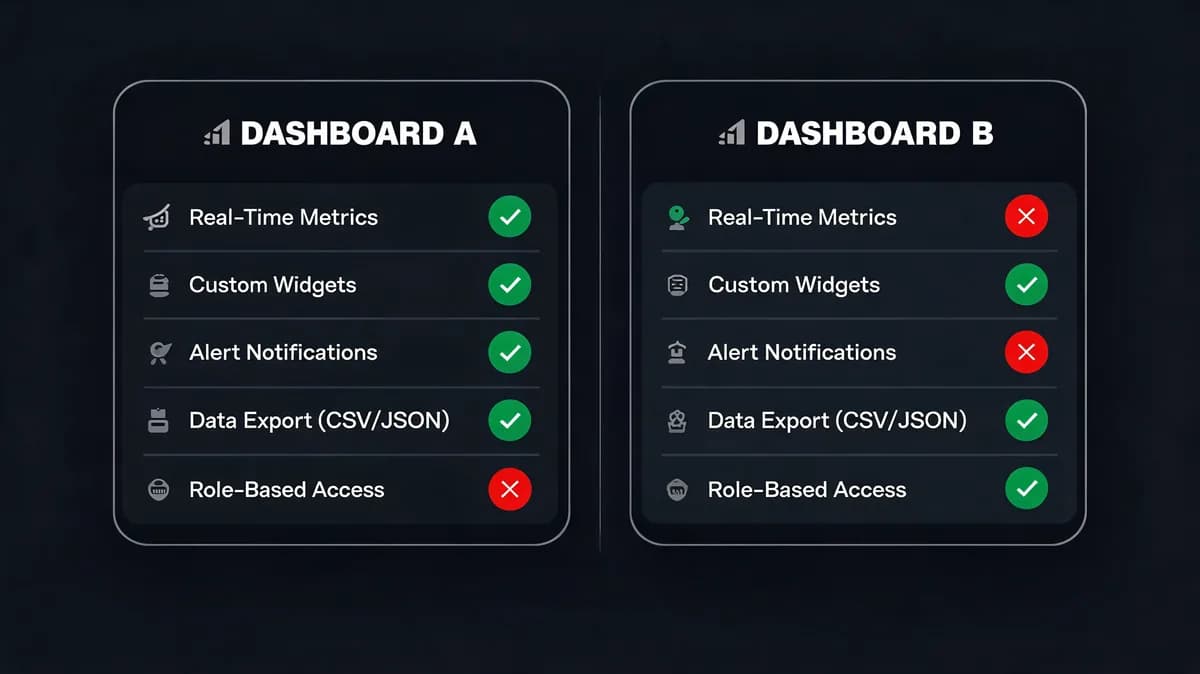
Site24x7 offers robust monitoring, but numerous alternatives provide specialized features or different pricing models. This guide reviews top options for uptime, performance, SSL, DNS, and visual monitoring, helping businesses find the ideal solution.
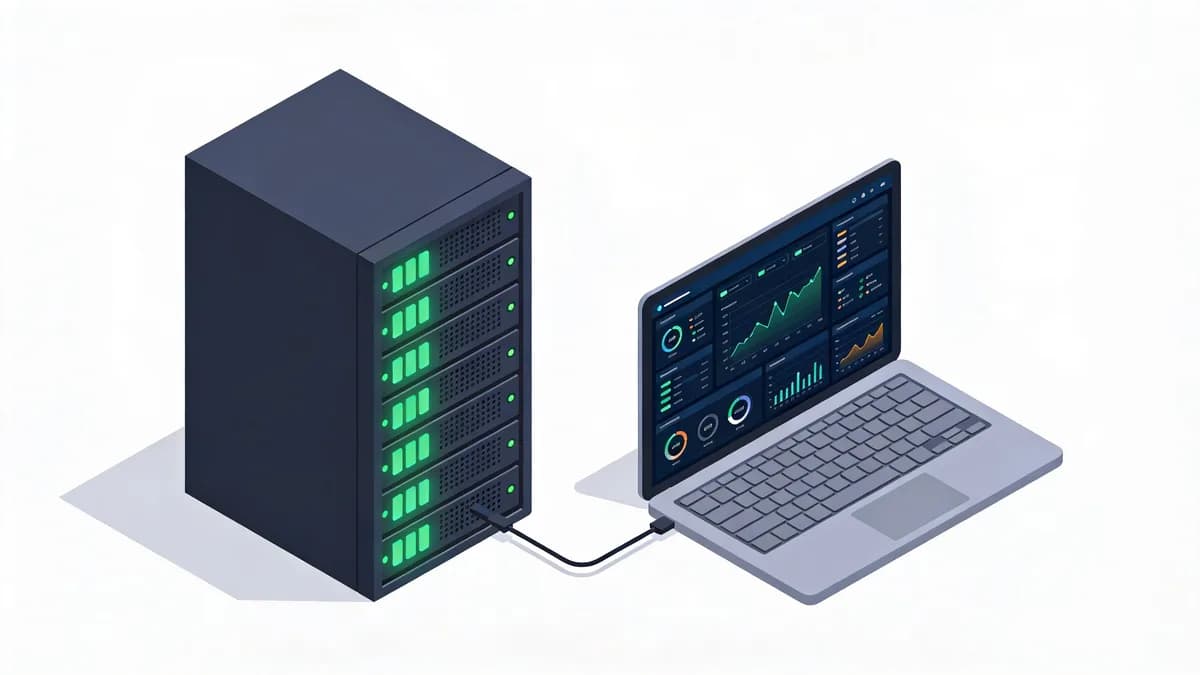
Build a homelab monitoring dashboard with Grafana, Prometheus and Telegraf: install Node Exporter, scrape it, import a ready-made dashboard, add alerts, and ship logs to Loki with Grafana Alloy.
Linux web applications can need resource, dependency and log observations.
Third-party outages can cascade into website downtime. This guide shows how to get alerts when a SaaS dependency degrades: status aggregators with early warnings, checks on the vendor endpoints you rely on, and website checks for DNS, SSL and visual changes.
See what unusual GET requests look like in an access log (path traversal, SQL injection probes, scanning), the grep commands to find them, and what to check next.
Review Linux advisories and use suitable vulnerability scanners for self-hosted systems. Visual Sentinel checks website availability and changes; those alerts do not identify a kernel exploit.
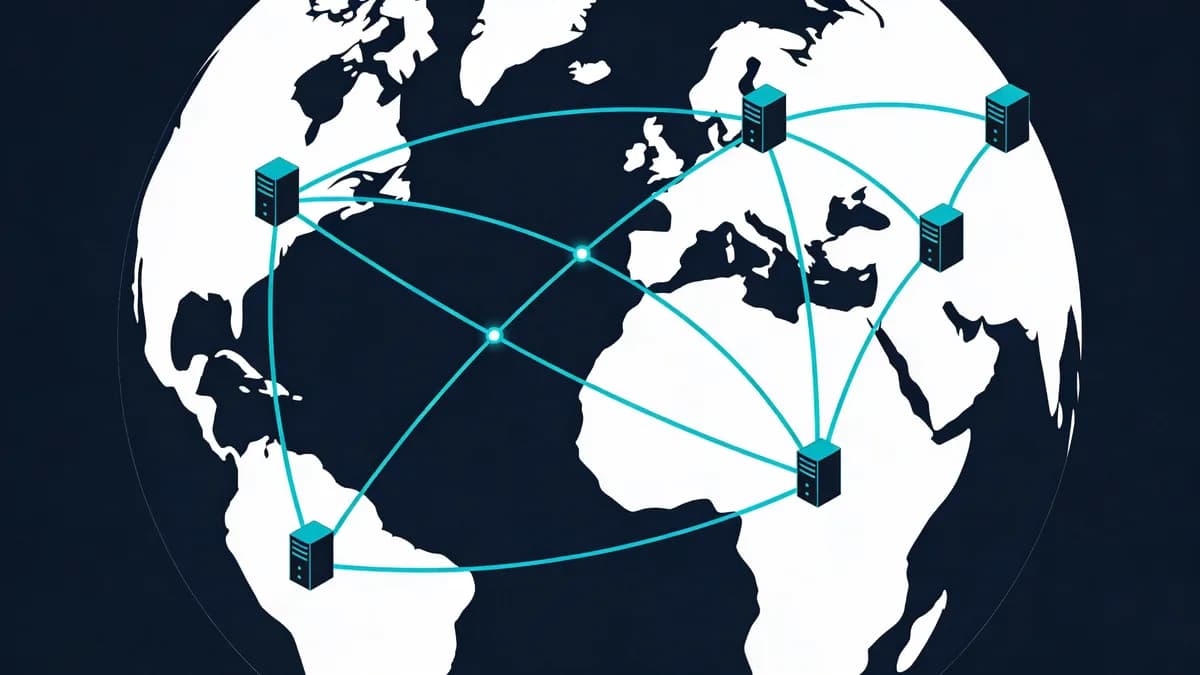
The seven DNSpooq CVEs (CVE-2020-25681 to CVE-2020-25687) affect OpenWrt 19.07.0 to 19.07.5. This guide shows which dnsmasq packages are affected, the fixed versions, and the upgrade and UCI workaround commands.
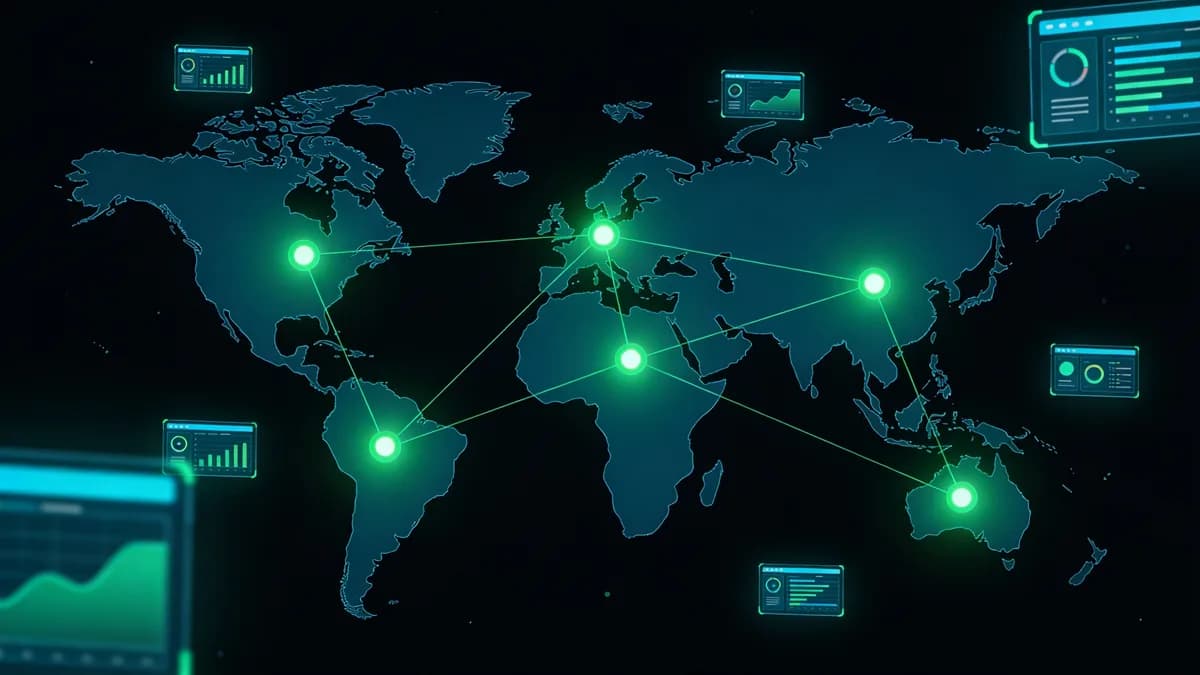
Remote server monitoring tracks CPU usage and disk space alongside website availability. Review alerts and resource metrics to investigate problems affecting your site.
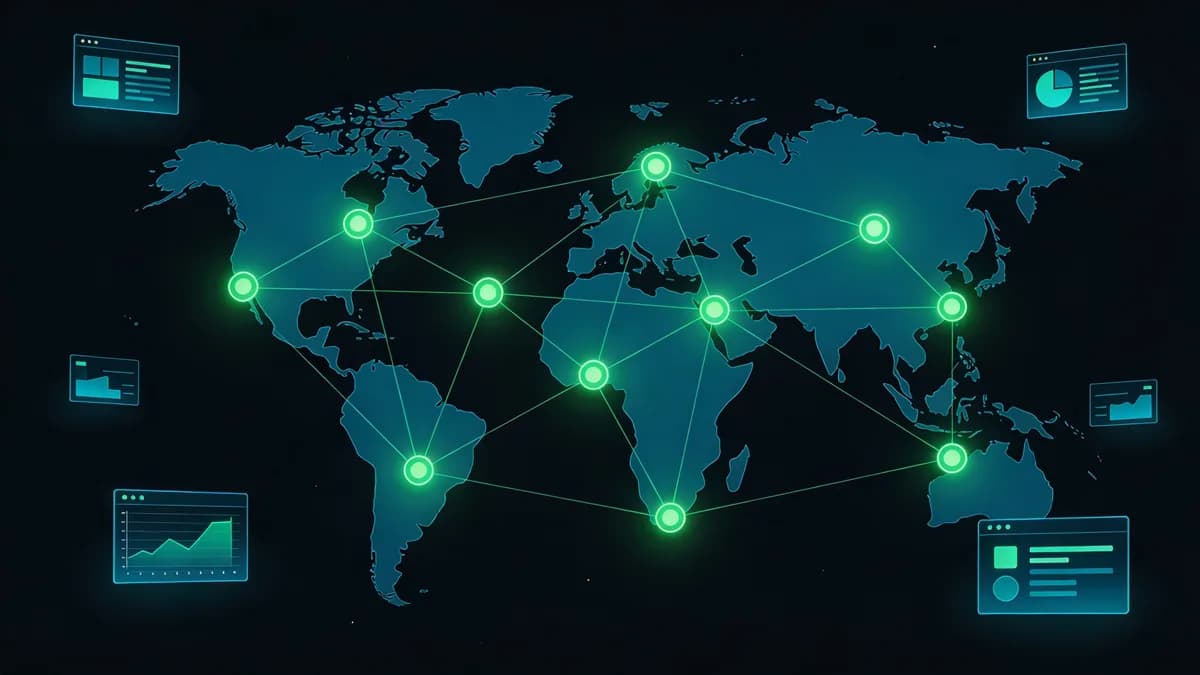
Docker monitoring uses container metrics, runtime events and image findings to support investigation. Learn how website checks complement these tools, and which security tasks require dedicated container monitoring.
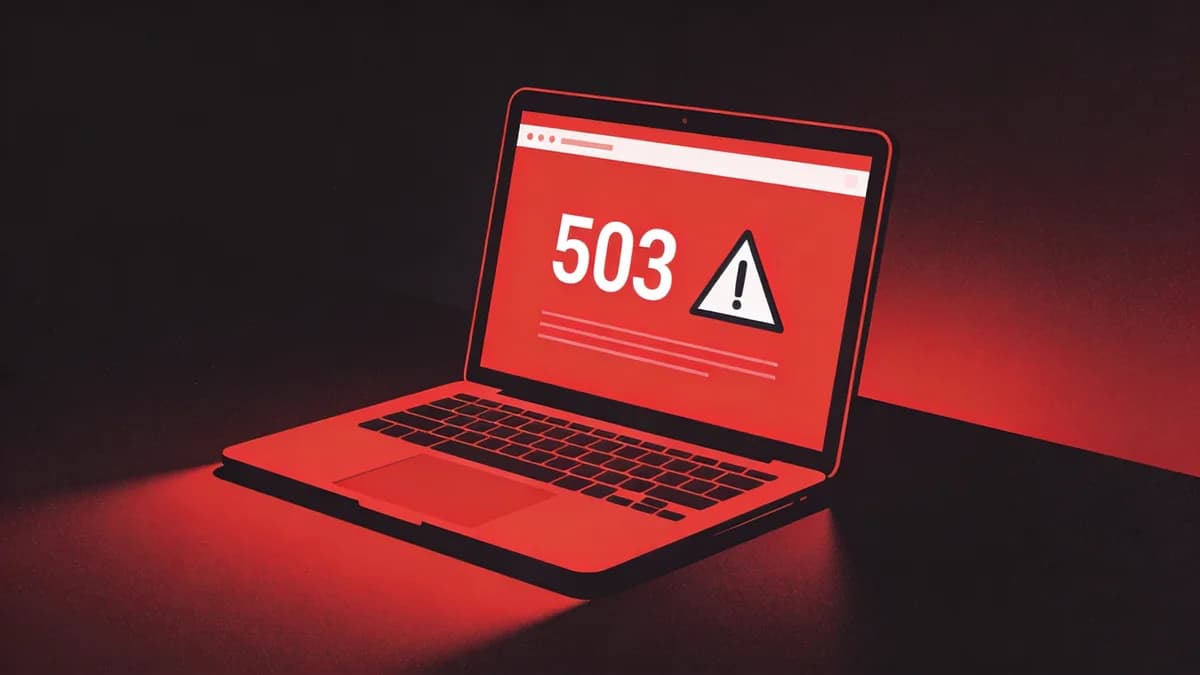
Website outages can lead to lost revenue and recovery work. This guide outlines recovery steps using multi-layer monitoring platforms. Sysadmins can use check results for diagnosis and verify the restoration.
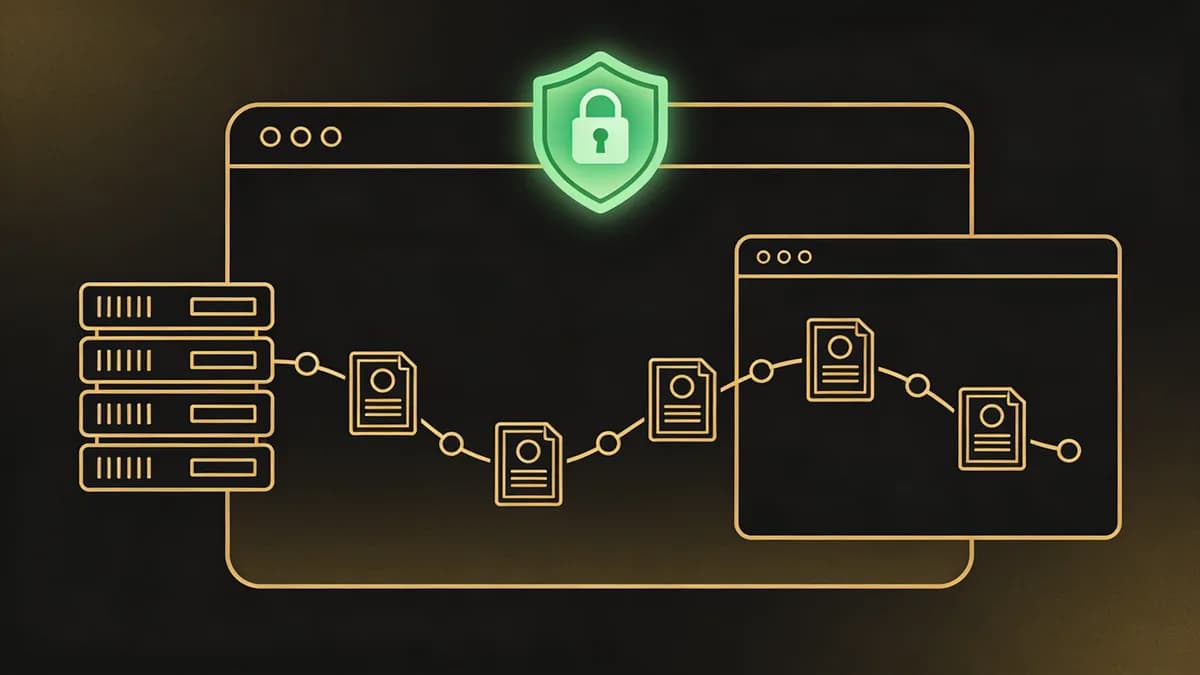
Fix the five common SSL certificate errors: untrusted authority, name mismatch, incomplete chain, expired certificate and key mismatch, with OpenSSL commands and nginx and Apache settings. Visual Sentinel checks expiry, chain and hostname on a schedule.
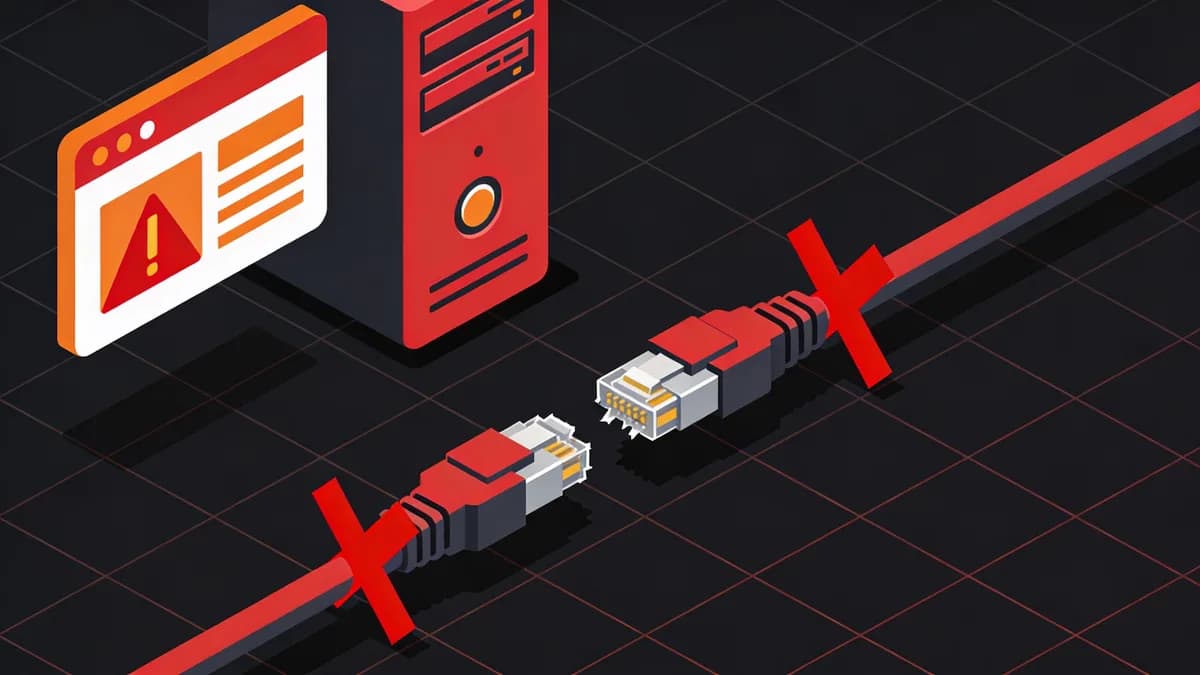
A site that is down cannot take orders for as long as it stays down. Visual Sentinel checks uptime, performance, SSL, DNS and visual changes from $15 a month. Content checks start on Starter. This guide covers those checks for SaaS and e-commerce sites.
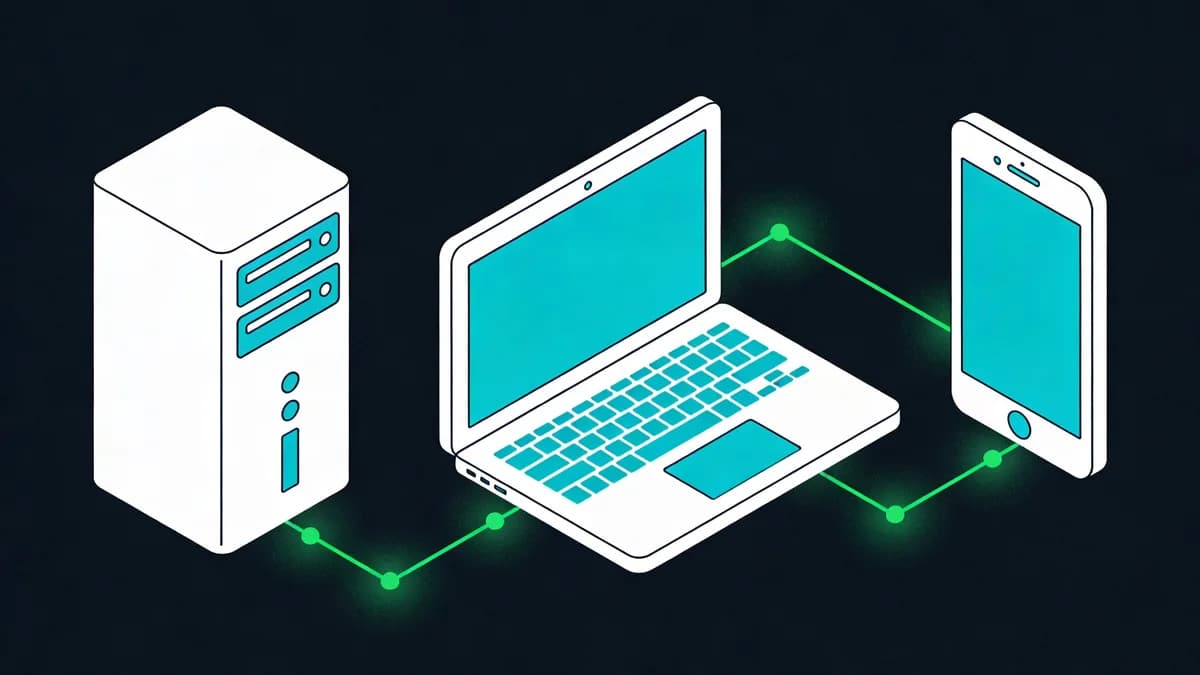
Which web-layer signals can point to a ransomware compromise (injected links, redirects, ransom wording, changed screenshots), what to do when you see them, and which server-side tools cover the rest.
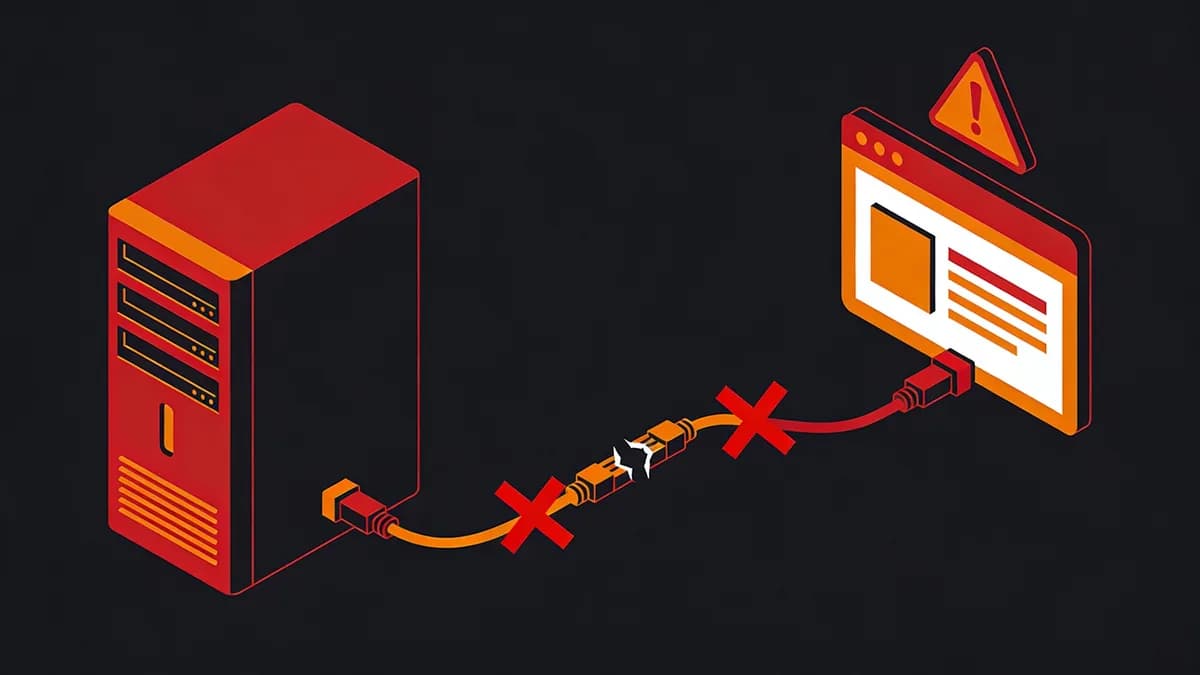
AWS outages can affect websites that depend on regional services. Layered uptime, performance, DNS and SSL monitoring helps teams investigate site failures alongside provider incident reports.
Understand what different change checks observe before selecting a method. Text changes, screenshot differences and file-integrity observations provide different evidence.
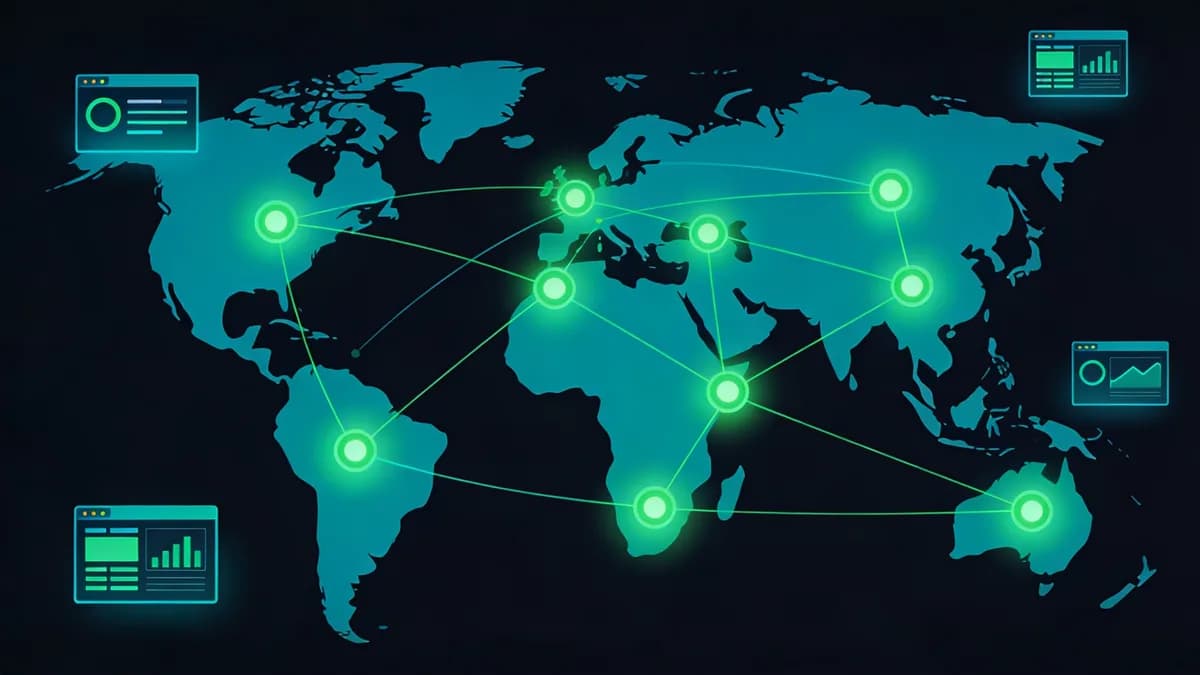
Overlooked monitoring layers can leave infrastructure issues unnoticed. This guide explores uptime, SSL, DNS, visual and content checks that help sysadmins investigate website problems.
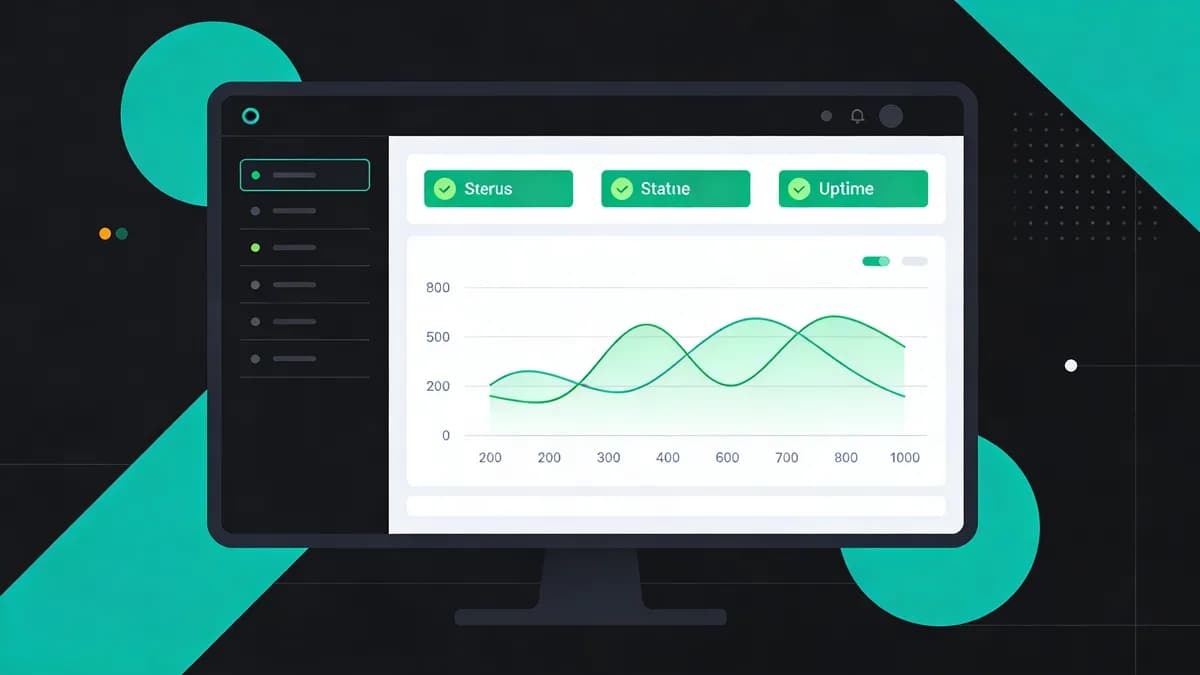
Automated analysis can support monitoring investigations and configured responses. Visual Sentinel provides scheduled website observations and notifications.
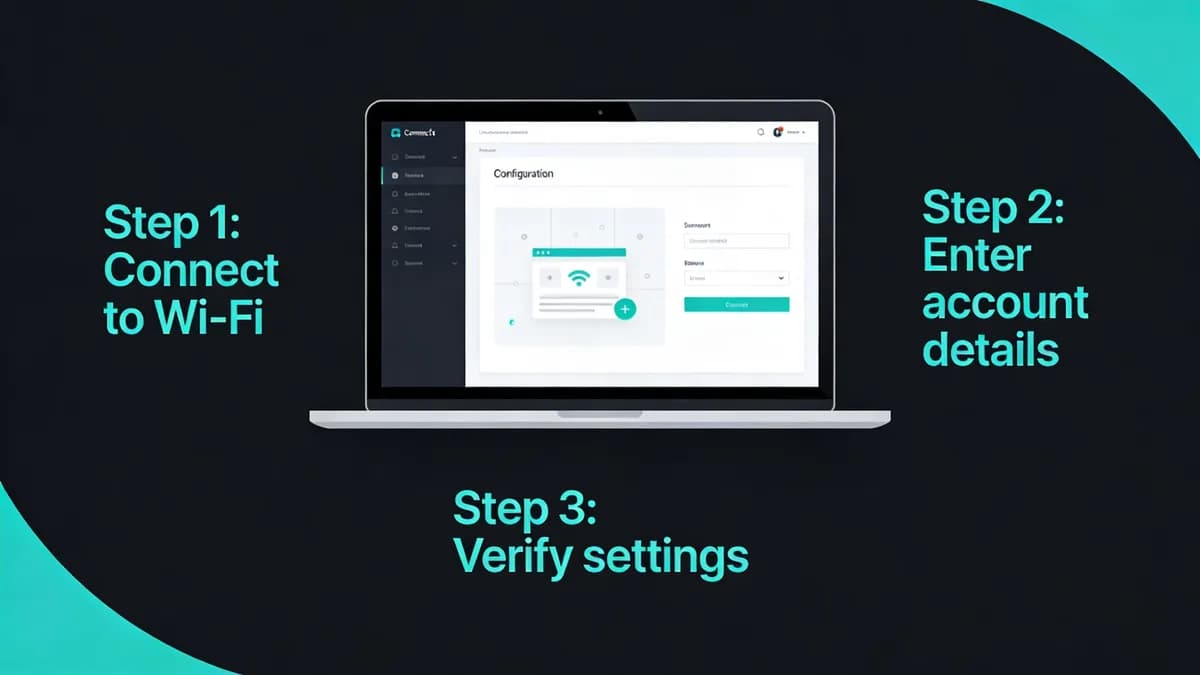
An AI agent gathers alerts, suggests a cause, and can run a fix you already approved. A person still decides the incident is real.
Multi-layer monitoring enables sysadmins to catch issues before they escalate, so the alert names the layer that failed. Visual Sentinel's platform integrates seamlessly with tools like PagerDuty for streamlined incident response. This guide outlines setup and benefits for DevOps and SRE teams.
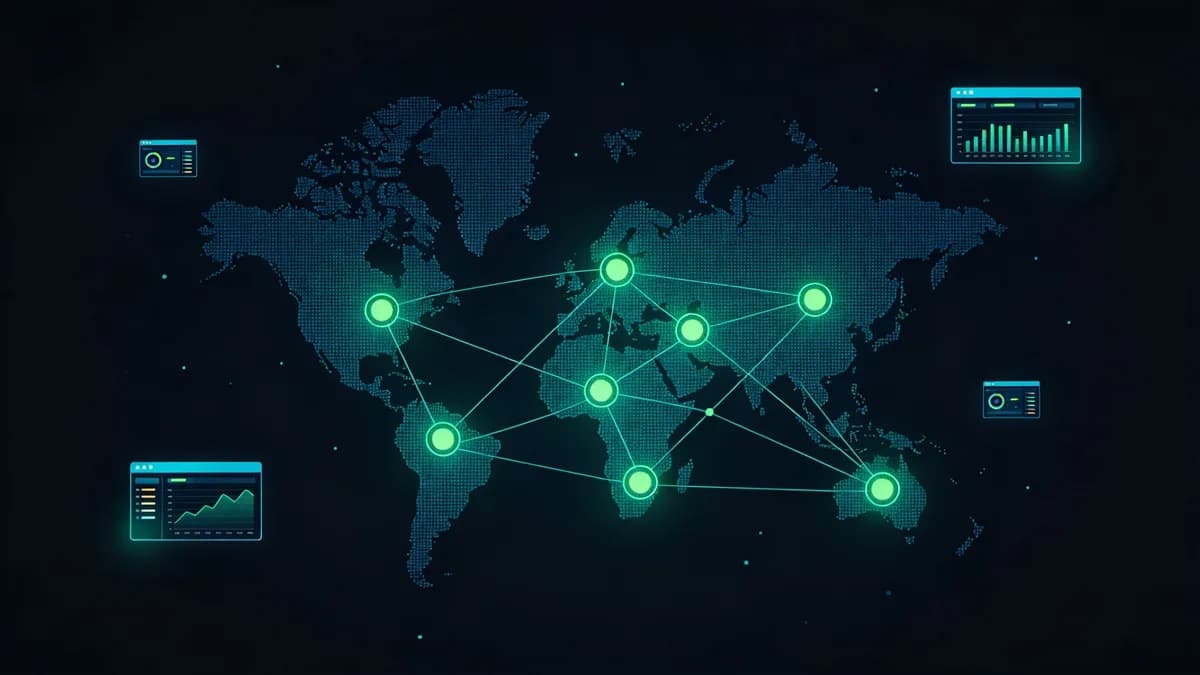
Which Kubernetes metrics to watch for uptime (pod readiness, restarts, replicas, node conditions), how probes and alerts work, and why an external website check belongs next to Prometheus and Grafana.
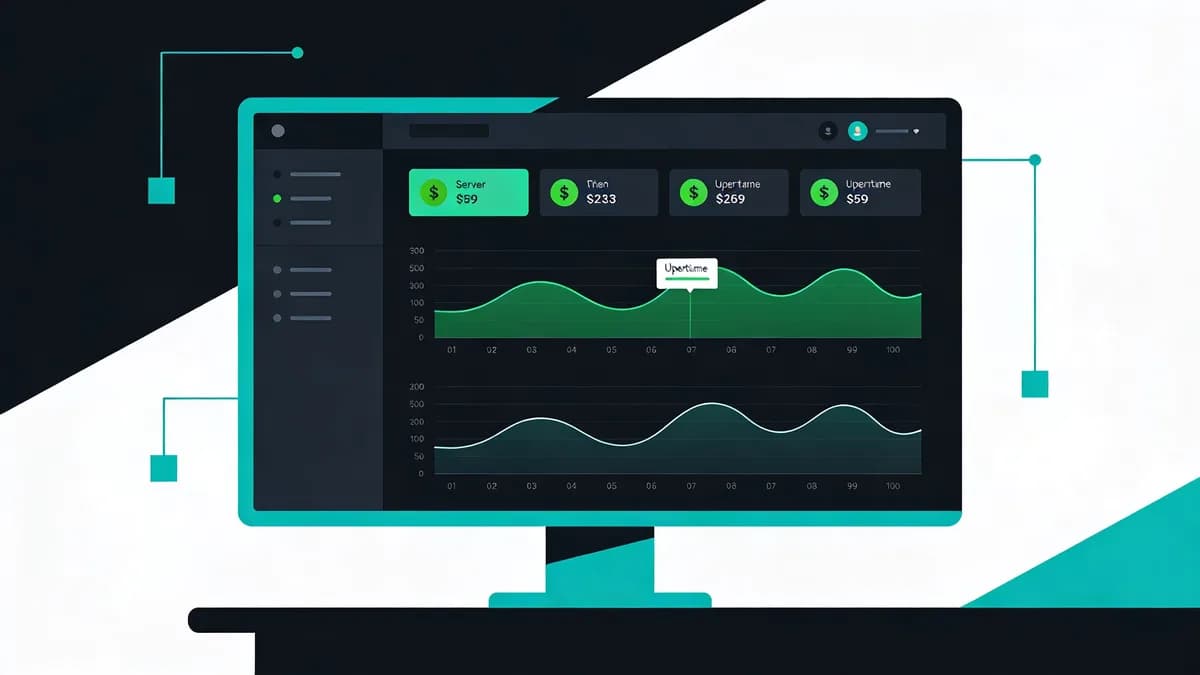
Windows to Linux migrations can expose application, driver and configuration differences. Compare website checks with host measurements before and after cutover. Visual Sentinel reports supported website failures and changes without guaranteeing a disruption-free transition.
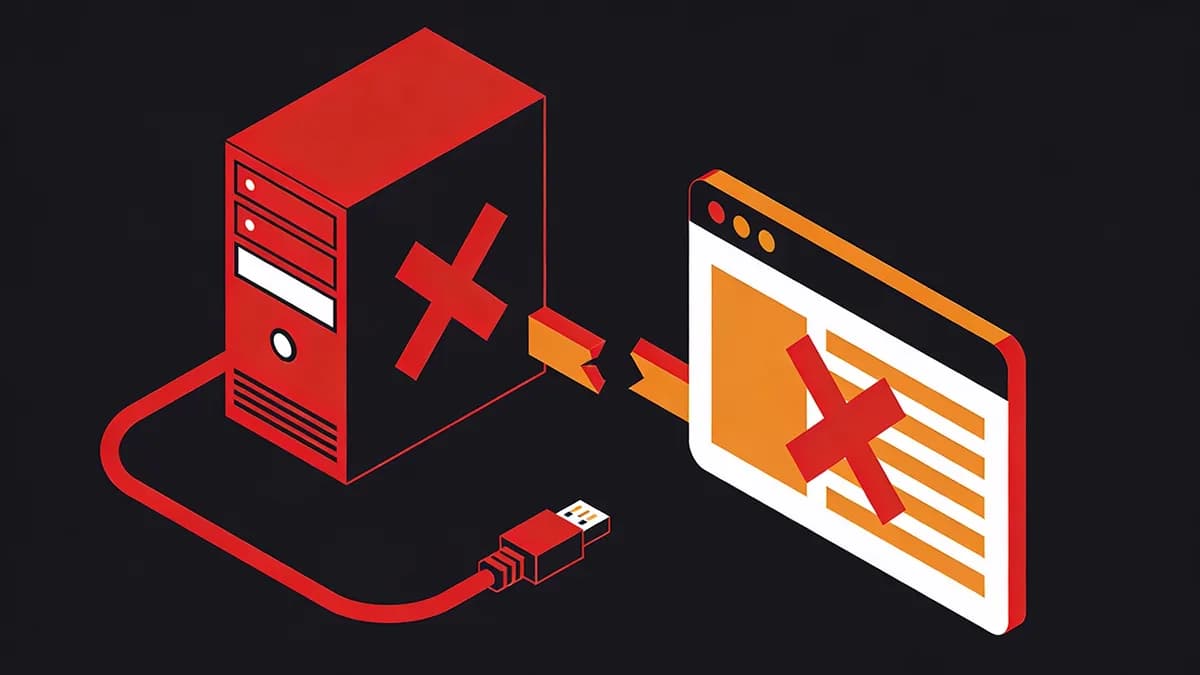
GitHub's 2026 incidents show how a cache change, a policy mistake and a failed credential rotation each took a service down. Watch the entry points your users rely on, not just the homepage.
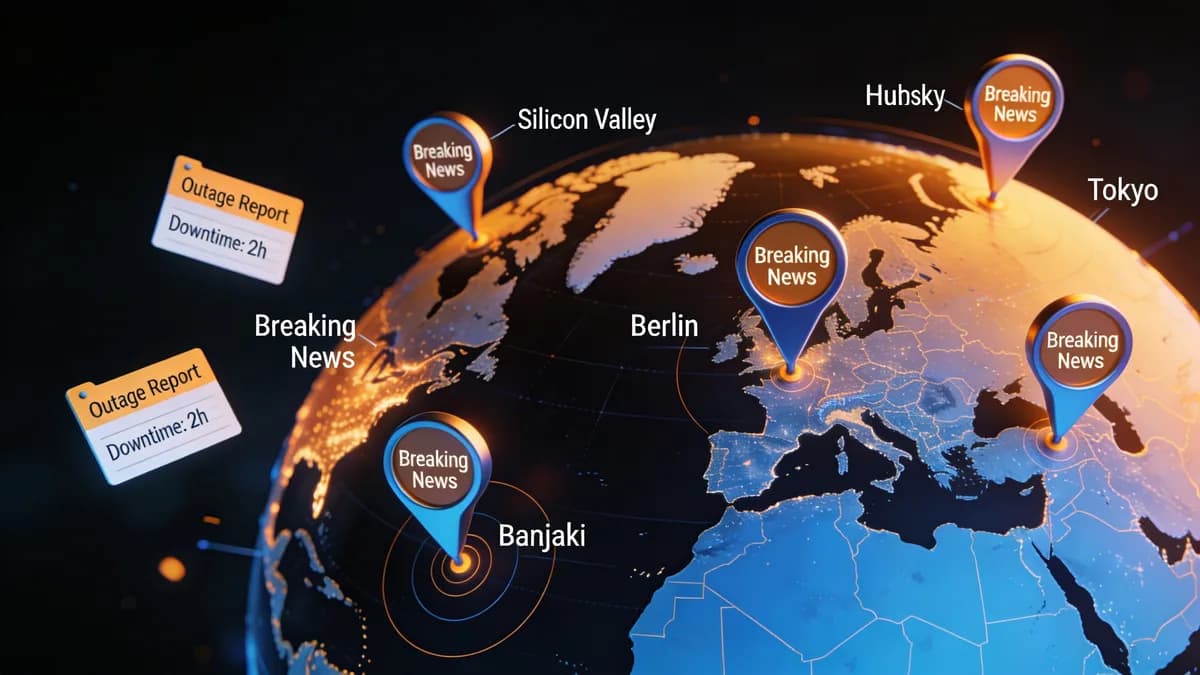
Fastly's June 2021 outage and AWS US-EAST-1 DNS failures in Q4 2025 show how infrastructure dependencies can disrupt websites. This analysis explores the causes, operational impacts and role of monitoring in incident response.
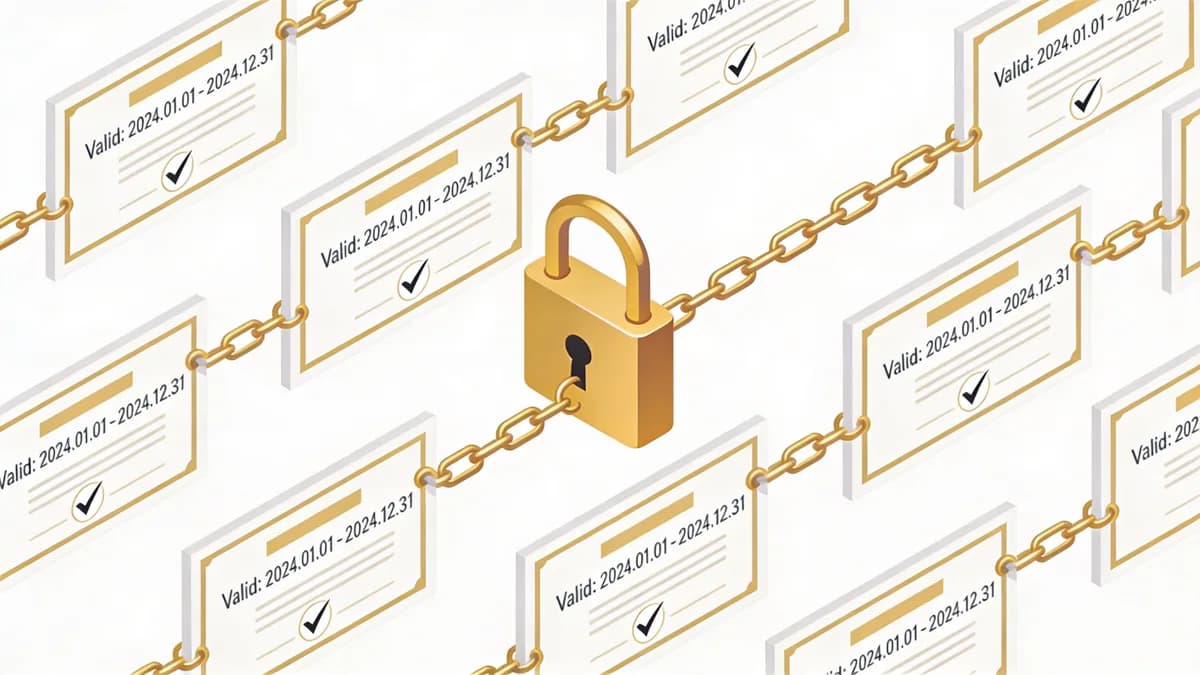
Review certificate validity and expiry alongside uptime, performance and DNS observations. Visual Sentinel checks uptime every minute on Business and Agency and sends default certificate reminders 13, 3 and 1 days before expiry.
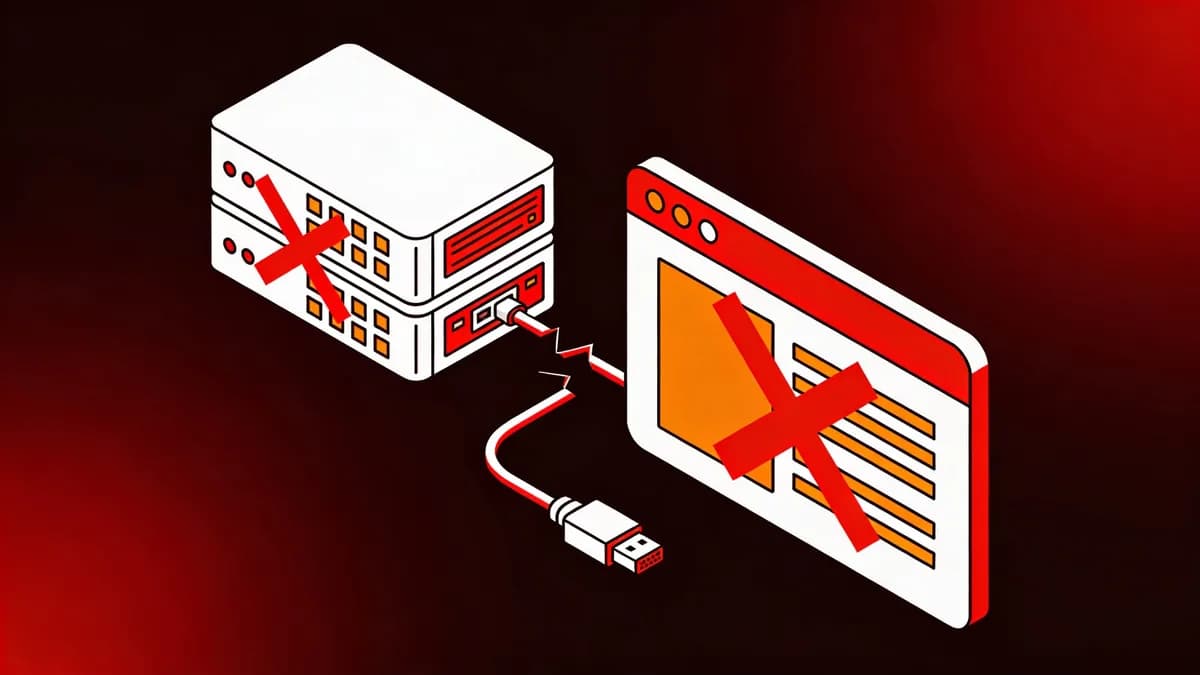
A SaaS site that is down cannot take orders for as long as it stays down. Multi-layer monitoring solutions track uptime, DNS records, and SSL validity so common outages surface earlier. Implement these strategies to maintain reliable sites for DevOps and SRE teams.
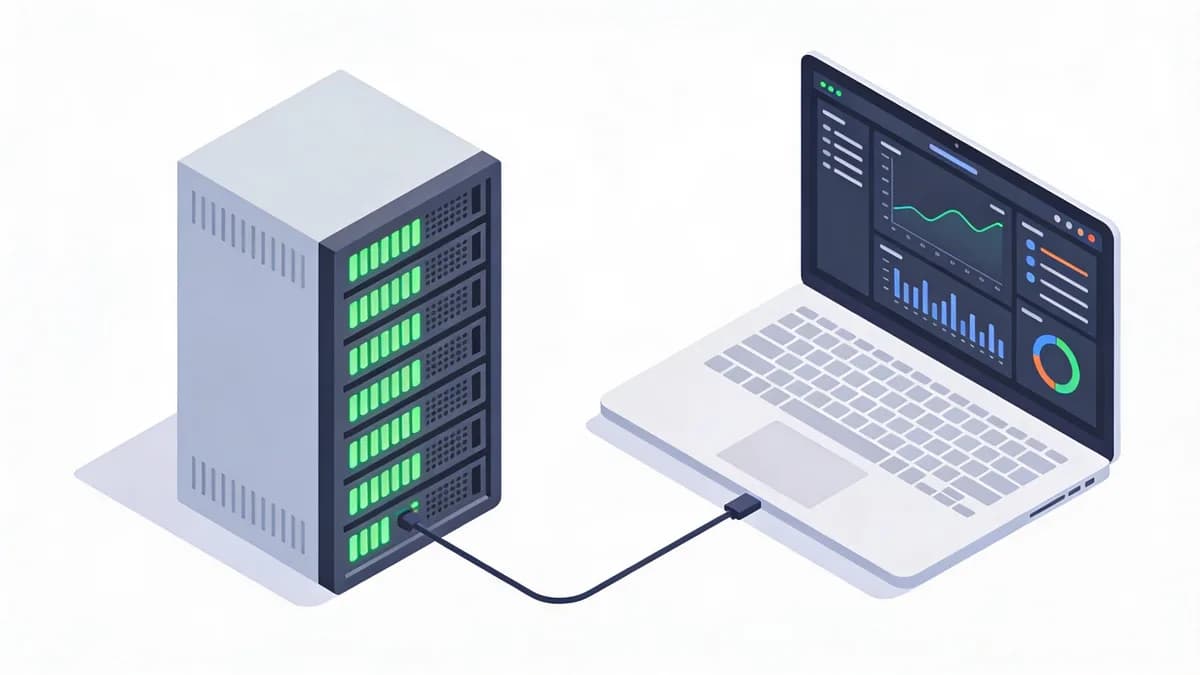
Docker container monitoring focuses on CPU utilization, memory consumption, and health check status to maintain uptime in self-hosted environments. Self-hosted tools like Uptime Kuma enable frequent checks, with 20-second intervals advertised, via Docker socket access. This guide provides steps for homelab setups to detect restarts and failures early.
Build a repeatable defacement monitoring workflow across client websites, with approved baselines, useful alerts and an owner for every investigation.
Tying checks into website monitoring lets teams hear about anomalies on the next check, not on a promised clock. Visual Sentinel adds uptime and page-change checks (content monitoring from Starter) for earlier warning.
Combine accessibility evaluation, manual checks and visual change monitoring. Learn what screenshots can reveal and what they cannot establish about accessibility.
GitHub availability monitoring tracks endpoint checks and helps teams investigate workflow disruptions. Tools like Visual Sentinel alert when a check fails, and those alerts can go to Slack or a webhook.
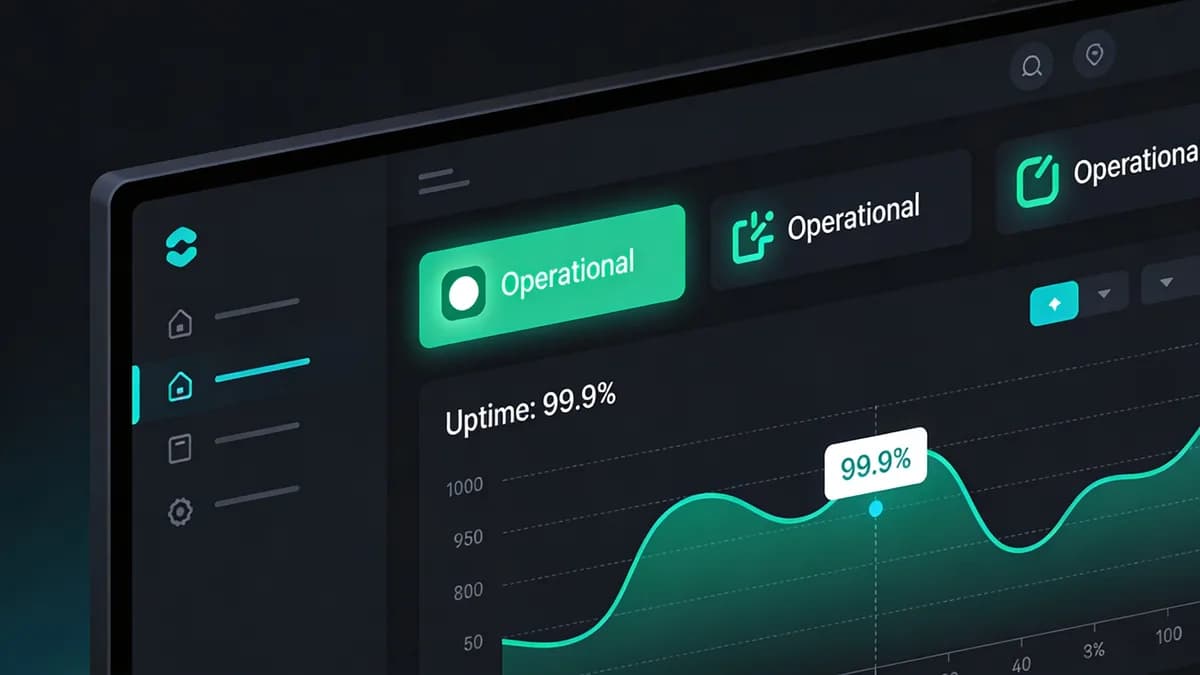
Kubernetes gateways route incoming traffic to services. Review request rates, latency, errors and resource observations alongside external website checks, and test capacity and scaling conditions for the actual workload.

Troubleshoot DNS propagation delays, record errors and resolver failures with practical checks for website availability.
AI workloads can affect services sharing the same Linux server. Review process and resource observations with tools such as top and Prometheus, then compare them with Visual Sentinel’s separate website checks.
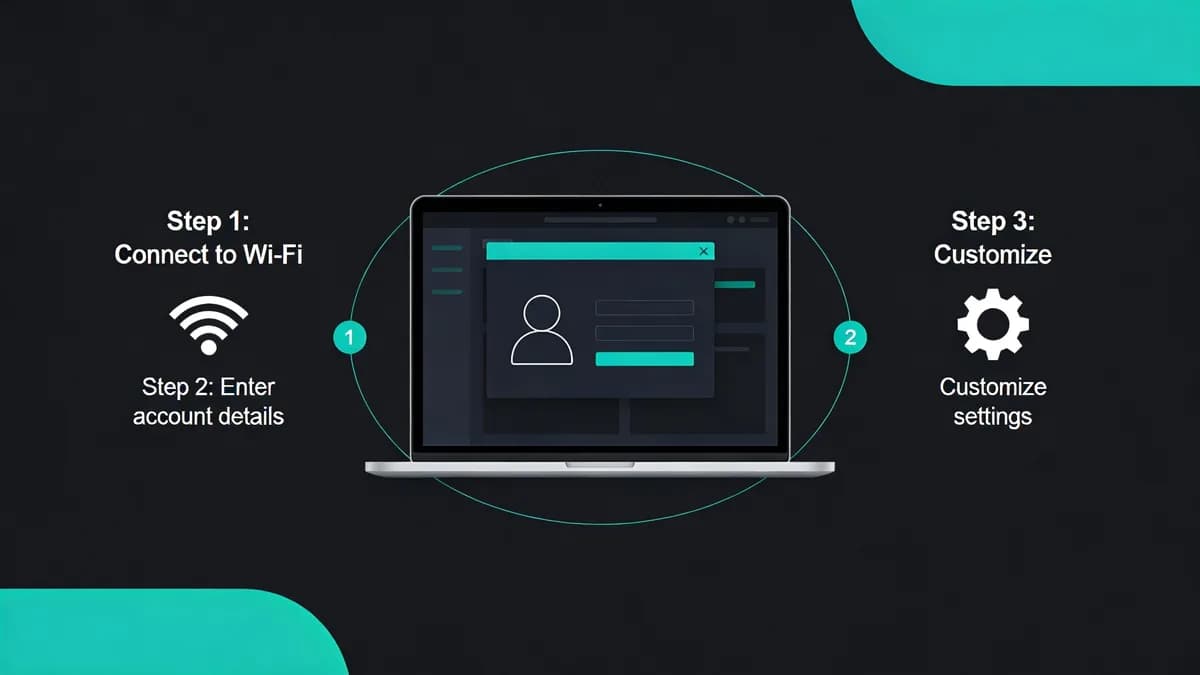
Website monitoring setup enables small business owners and developers to detect downtime and performance issues early. Visual Sentinel checks uptime every 5 minutes on Solo and Starter, and sends SSL reminders at 13, 3, and 1 days. Complete the 7-step process to build a dashboard tracking uptime percentages and response trends.
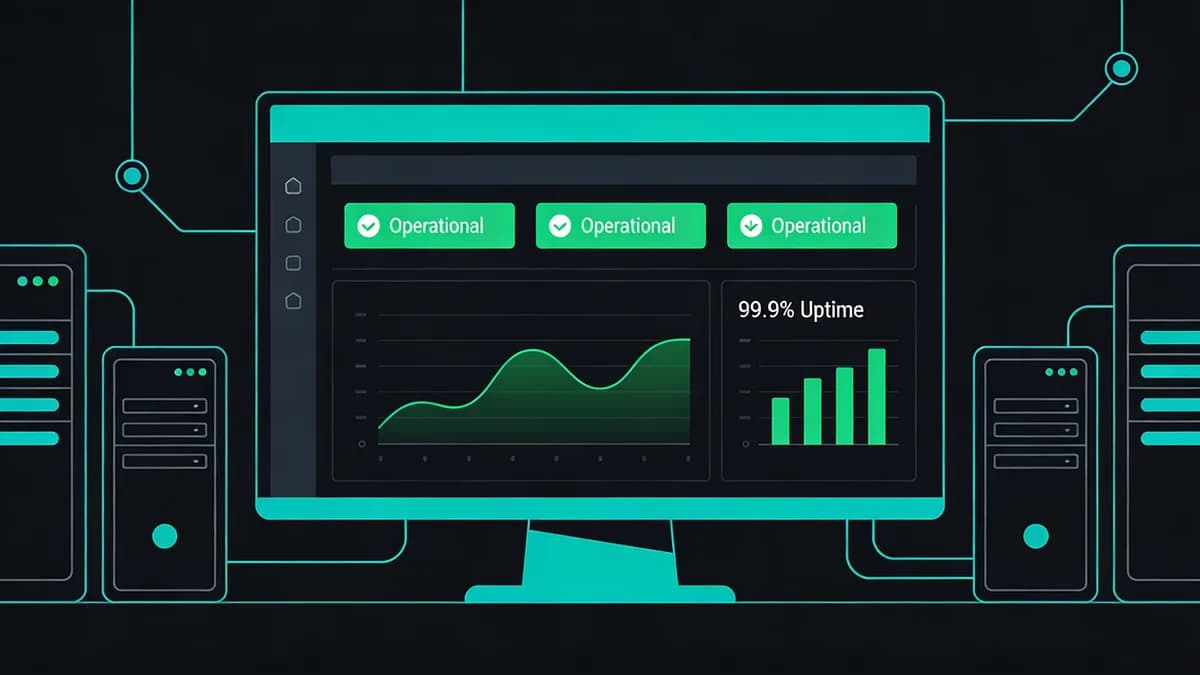
Database migrations can affect application compatibility, locks and replication. Test the migration and recovery procedure, and compare Visual Sentinel website observations with separate application and database evidence.
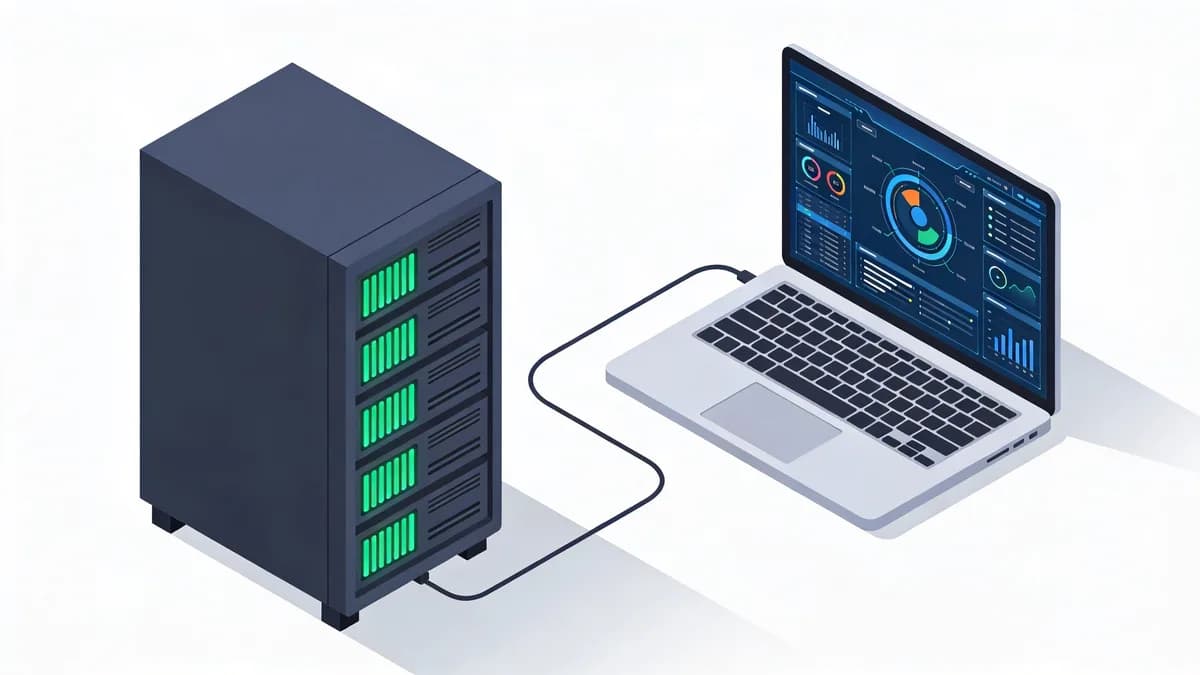
Cloud incidents underscore the urgency of security breach monitoring in website infrastructure. Uptime, performance and content checks provide website observations to investigate alongside security evidence. Visual Sentinel checks availability and page changes; these observations do not replace a SIEM or diagnose a breach.
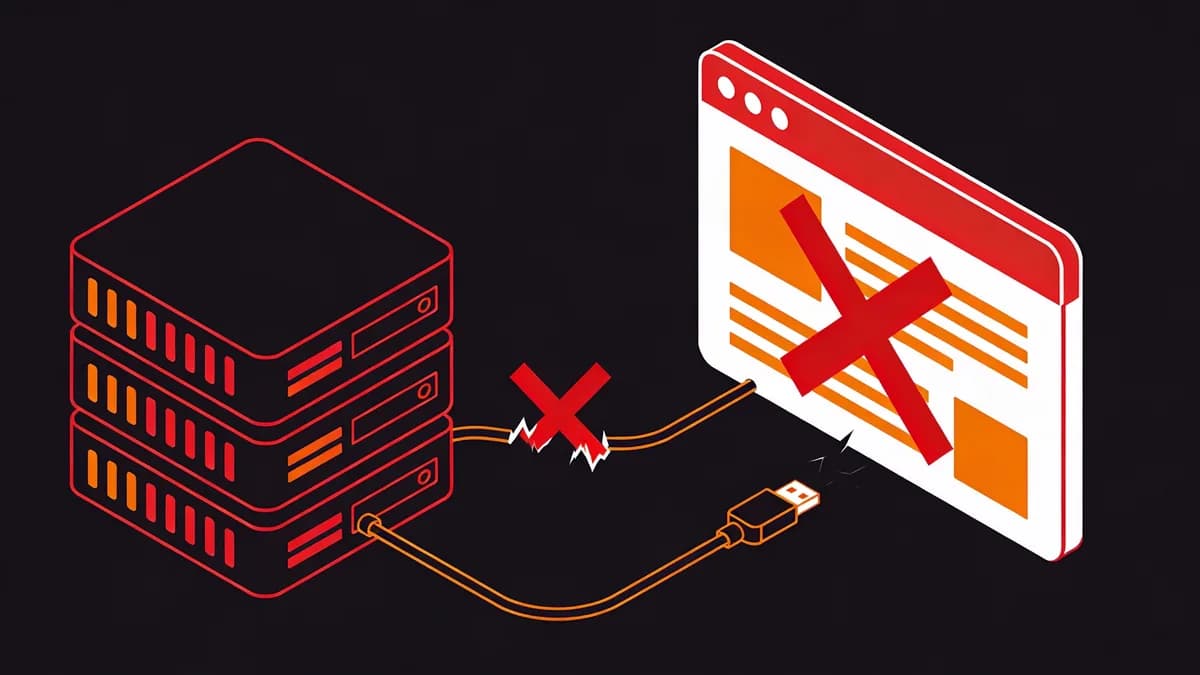
Website downtime often stems from human error and network issues. Continuous monitoring for uptime, performance, SSL, DNS, visual regression, and content changes can surface those causes earlier. This guide explores key causes and tailored prevention for proactive risk mitigation.
Choose a text region, confirm what the checker extracts and test a controlled change before relying on content alerts for a live website.
Add external availability, certificate and page-change observations to a self-hosted website's security process, with clear limits on what monitoring proves.
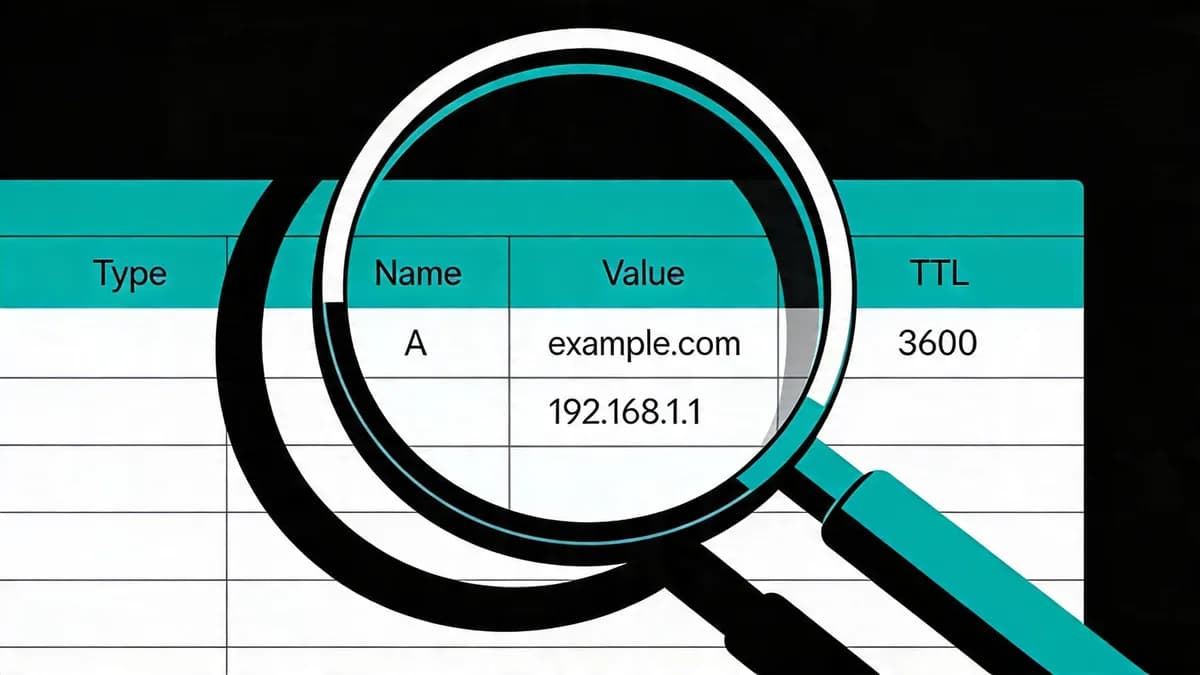
Investigate DNS propagation delays in multi-cloud setups with TTL checks, resolver comparisons and scheduled monitoring.
Monitor CPU, load, memory, disk and pending security updates on Linux servers, set up a Prometheus load alert, and watch your website around patch restarts.
Why March 2024 updates KB5035855 and KB5035857 made domain controllers reboot (an LSASS memory leak), how to uninstall them or install Microsoft's out-of-band fix, and what website monitoring can and cannot see.
What to watch in the Cloudflare Email Security dashboard, how SPF, DKIM and DMARC fit in, which alert thresholds to set, and the website and DNS checks that complement email reporting.
API performance monitoring observes endpoint response time, errors and request volume. Compare those observations with website checks to investigate availability and performance problems.
An unexpected page change needs a clear investigation. Learn what to verify, what evidence to preserve and how to distinguish a detection alert from a confirmed incident.
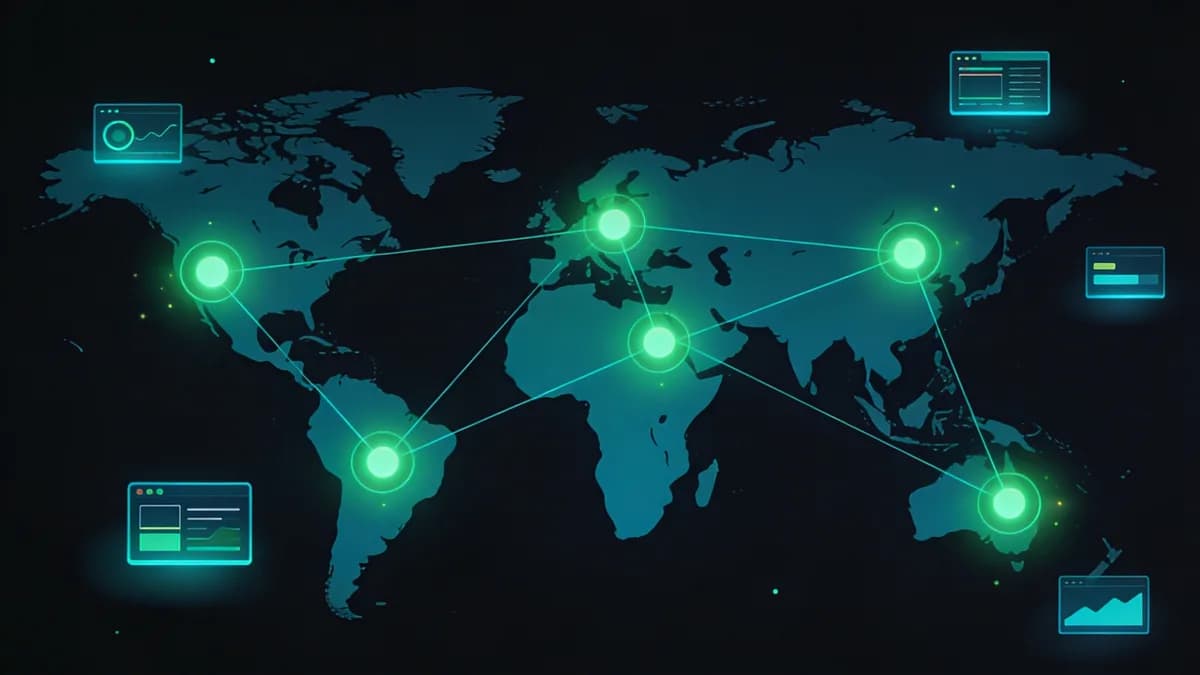
Kubernetes monitoring combines cluster, node, pod and application observations. Use Prometheus metrics, Grafana dashboards, logs and traces alongside external website checks to investigate availability and performance against chosen service objectives.
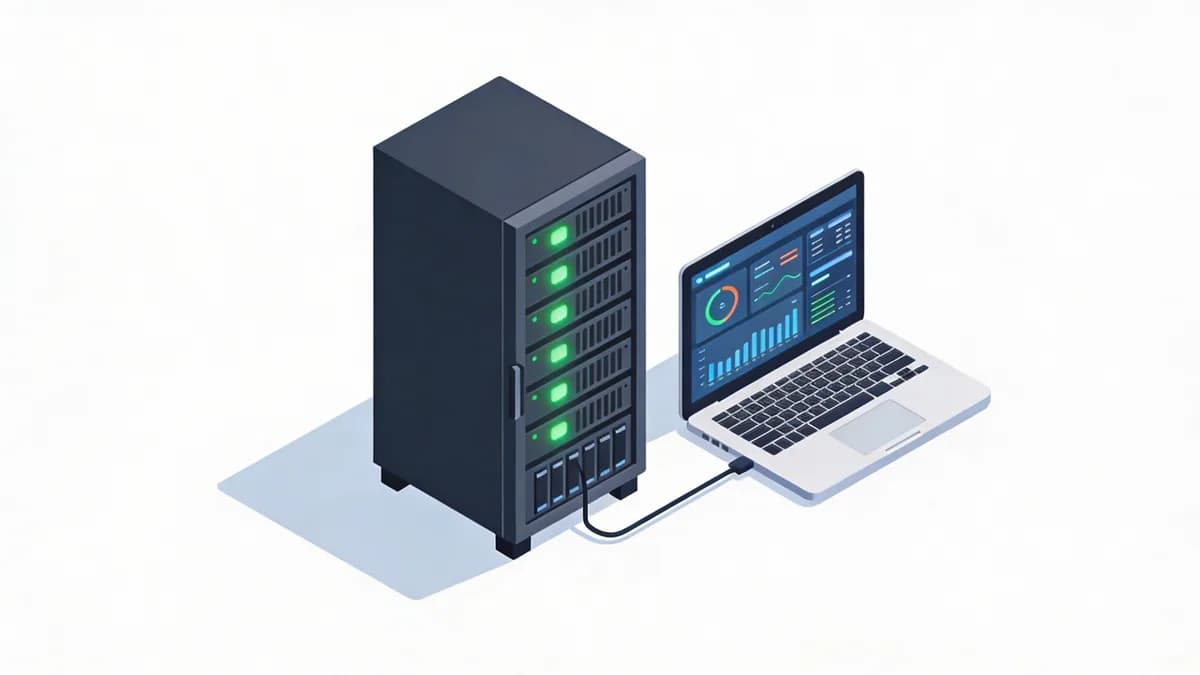
In 2026, Active Directory monitoring is crucial for website operators to avoid authentication failures causing downtime. Microsoft Sentinel ingests AD event logs via Azure Monitor Agent, supporting LDAPv3 and Kerberos v5. Integrate with Visual Sentinel for comprehensive web checks, including uptime and SSL monitoring.
DevOps teams can use scheduled checks to investigate 403/429 status codes and unexpected response text. Visual Sentinel uptime checks run as often as every minute on Business and Agency.
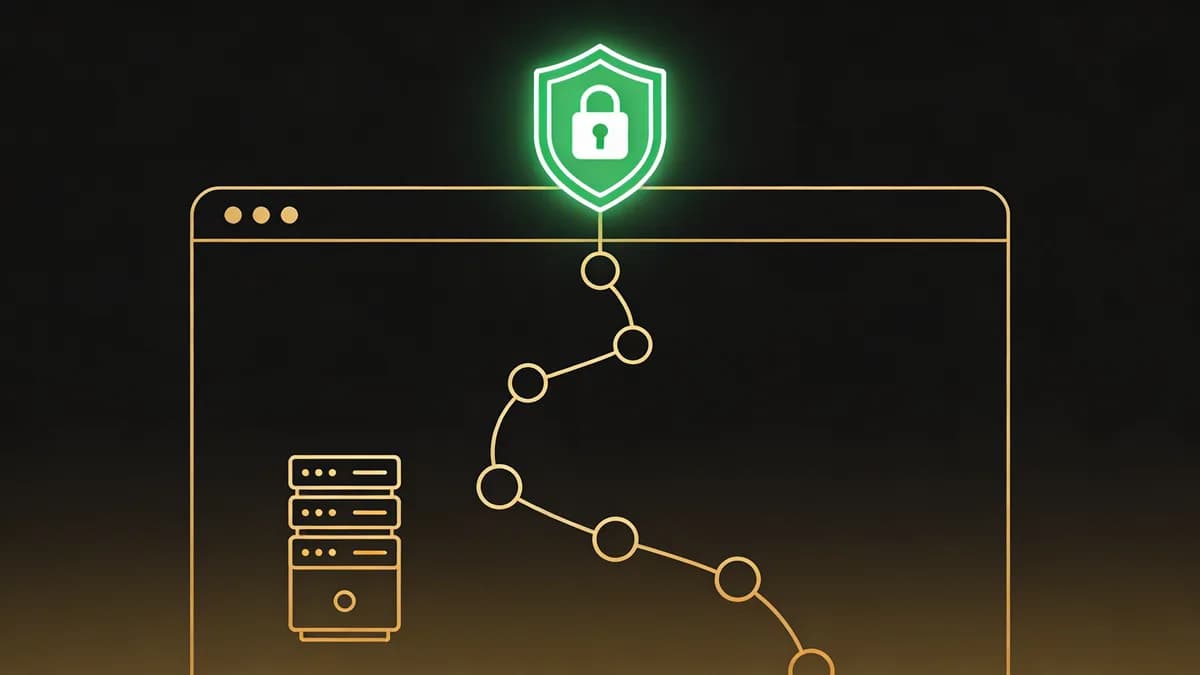
SSL certificate errors can block secure access and trigger browser warnings. Proactive monitoring tools like Visual Sentinel remind you 13, 3, and 1 days before expiry by default. This guide covers root causes and fixes for secure sites.
Set up scheduled DNS record checks and compare authoritative and resolver responses to investigate propagation issues.
SSL certificates expiring unnoticed can take a site offline and leave it open to security warnings. Visual Sentinel integrates SSL checks with uptime and performance tracking, with reminders 13, 3, and 1 days before expiry (optional 20 and 6).

Four documented outages, from Cloudflare, AWS, Fastly and Facebook, and the check that would have shown each one.
Website downtime can cost a SaaS company the sales from every minute the site is down. This guide explores proven strategies using integrated uptime, DNS, and SSL monitoring to identify risks early. Visual Sentinel checks uptime, speed, SSL, DNS and screenshots in one place.

Create a status page, add the monitors visitors should see, and post updates when a check fails.
Your first check is free when you add your site. Then try a paid plan for 7 days (card required) or subscribe, from $15/month.
Start 7-day trialMaintained guides to DNS, SSL, HTTP, content and performance.