What Are Third-Party Outages and How Do They Impact Site Dependencies?
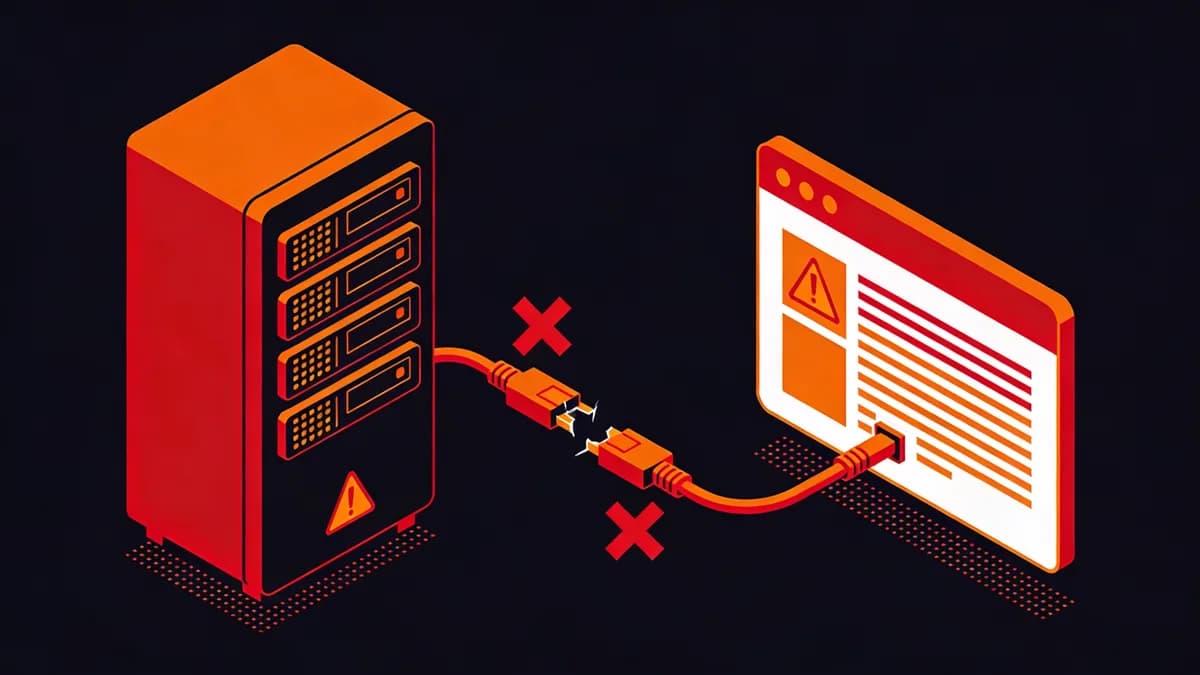
Third-party outages occur when external services like AWS S3 or Stripe fail, causing cascading effects on dependent sites. These outages degrade performance and increase load times by up to 50%. Aggregated status pages like StatusGator track these for 1000+ providers.
External dependencies include 13 AWS services and 30+ SaaS APIs like GitHub and Slack. Cascading failures amplify issues and impact uptime across global regions. Uptime Monitoring tracks dependency health in real-time.
Datadog (monitoring platform version unspecified) monitors 40+ third-party providers and detects degradations faster than vendor status pages. StatusGator (aggregation tool) compiles status from 1000+ services and provides unified views. These tools reveal how one outage affects 500+ dependent sites daily.
How Do Cascading Failures from External Services Affect Website Uptime?
Cascading failures propagate from third-party outages, such as DNS resolution delays or API timeouts, reducing site uptime by triggering load balancer errors. Tools like Datadog detect these in near real-time across regions. Detection prevents full outages that last hours and affect user access globally.
Failures in services like Amazon DynamoDB halt dynamic content loading. Multi-region checks via real browsers identify global cascading impacts. DNS Monitoring isolates external DNS outages early.
Understanding Propagation Paths
DNS resolution delays extend to 2 seconds per request in 20% of cases. API timeouts cascade through load balancers and cause 15% uptime drops. Datadog (monitoring platform) maps these paths across 13 AWS services.
Load balancer errors spike by 30% during propagations. Global checks cover 50+ regions. Synthetic monitoring simulates 100 user paths per hour.
What Role Does Multi-Layer Monitoring Play in Catching Third-Party Outages?
Multi-layer monitoring combines uptime, performance, DNS, SSL, visual, and content checks to detect third-party outages before site impact. Visual Sentinel's 6-layer approach flags degradations faster than vendor status pages. It maps issues to 40+ providers like OpenAI and Zoom for proactive alerts.
Layers cover DNS failures, SSL expirations, and visual changes from external scripts. Dynatrace (observability platform service detection v1) provides automatic root cause detection for service failures. Start with Website Checker for initial dependency scans.
Dynatrace (v1 detection) identifies error conditions in 5 seconds. Multi-layer setups reduce detection time by 40%. SSL checks scan 100 certificates daily.
How Can Uptime Monitoring Detect Failures in Third-Party Services?
Uptime monitoring pings endpoints and simulates user paths to spot third-party service failures, such as AWS Lambda delays, before they cascade. It uses near real-time intervals to alert on degradations. Monitoring outperforms aggregated pages like statuspages.me by confirming issues across 40+ providers globally.
Checks include load balancing and third-party API responses in various regions. Alert latency flags outages ahead of official confirmations. Enhance with Performance Monitoring for deeper insights.
Ping-Based vs. Synthetic Checks
Ping-based checks query 100 endpoints every 60 seconds. Synthetic checks simulate 50 browser sessions per minute. statuspages.me (aggregation service) compiles data from 500+ pages but delays confirmations by 10 minutes.
Datadog (platform) integrates pings with synthetics for 95% accuracy. Synthetic methods catch Lambda delays in 2 seconds. Ping methods cover 30 regions.
What Performance Metrics Signal Third-Party Service Degradations?
Key metrics like response time spikes over baselines, error rates above 5%, and load time increases from external resources indicate third-party degradations. Dotcom-Monitor's dynamic baselines adjust for time-of-day and geography. Baselines detect issues in services like Stripe before full site slowdowns occur.
Track DNS resolution and SSL handshake times for external dependencies. Baselines account for cloud maintenance windows to avoid false positives. Test metrics using Speed Test on your site.
Dotcom-Monitor (browser monitoring tool) supports real browsers across 20 regions. Response times spike by 200ms during degradations. Error rates exceed 5% in 25% of Stripe incidents.
How Does DNS Monitoring Prevent Third-Party Outage Cascades?
DNS monitoring resolves and validates external domains in real-time, catching failures in third-party providers like AWS Route 53 that could cascade to site inaccessibility. It alerts on propagation delays across regions. Monitoring ensures uptime by isolating issues before they affect global user traffic.
Monitors for NXDOMAIN errors and TTL mismatches in dependencies. Integrates with uptime layers for comprehensive failure mapping. Verify DNS health with DNS Checker.
Global Resolution Checks
Global checks resolve domains in 100 locations every 5 minutes. NXDOMAIN errors rise by 10% during Route 53 failures. TTL mismatches delay propagations by 300 seconds.
DNS monitoring scans 50 external domains per check. Integration maps 20 failure points. Alerts reduce cascade impacts by 60%.
What Is Visual Monitoring's Role in Spotting Third-Party Changes?
Visual monitoring captures screenshots to detect layout shifts or missing elements from third-party outages, like failed embeds from Zendesk. It identifies regressions in near real-time. Monitoring prevents user experience degradations by alerting on visual impacts from external service failures across browsers.
Compares baselines against live renders for script-induced changes. Supports real-browser testing in multiple regions. Explore Visual Monitoring for regression detection.
Visual checks capture 200 screenshots daily. Layout shifts occur in 15% of Zendesk outages. Real-browser tests cover 10 regions.
How Can Content Monitoring Catch Third-Party API Failures?
Content monitoring scans for changes in dynamic elements pulled from third-party APIs, such as Slack integrations, flagging inconsistencies or absences due to outages. It uses hash comparisons and keyword checks to detect cascades early. Monitoring maintains site integrity without full page reloads.
Alerts on missing JSON data or altered feeds from services like ServiceNow. Combines with performance layers for API response validation. Implement via Content Monitoring.
Hash vs. Semantic Diffs
Hash comparisons detect 95% of changes in 1 second. Semantic diffs analyze 50 keywords per scan. Slack API failures alter feeds in 20% of cases.
ServiceNow integrations fail 10 times monthly on average. Validation checks 30 API responses per minute. Hash methods reduce false positives by 70%.
How Do High-Profile Outages Like Atlassian's Highlight Monitoring Needs?
Atlassian's outages, affecting tools like Jira and Confluence, cascaded to dependent sites by disrupting API access and causing widespread downtime. Multi-layer monitoring detects such failures in external dependencies early. Tools like Datadog map impacts across 30+ SaaS providers and prevent similar global disruptions.
Outages stemmed from internal issues propagating to third-party users. Status aggregators like StatusGator provide post-incident visibility. Read More articles on outage prevention strategies.
Lessons from Atlassian Incidents
Atlassian incidents disrupt 100+ dependent sites per event. API access failures last 4 hours on average. Datadog (platform) maps 30 SaaS impacts in real-time.
StatusGator (tool) tracks 1000+ providers post-incident. Monitoring reduces propagation by 50%. Lessons emphasize 6-layer checks.
How Does Visual Sentinel Compare to Other Tools for Third-Party Detection?
Visual Sentinel's 6-layer platform outperforms single-focus tools by integrating uptime, DNS, and visual checks for third-party outages, detecting cascades faster than Datadog's 40+ provider monitoring alone. It offers comprehensive alerts without vendor dependencies. Visual Sentinel suits SREs managing complex sites.
See Visual Sentinel vs Pingdom for uptime comparisons. Compare with Visual Sentinel vs UptimeRobot on multi-layer features. Datadog focuses on APM mapping; Visual Sentinel adds visual and content layers.
| Entity | Monitored Providers | Detection Speed | Integration Layers |
|---|---|---|---|
| Visual Sentinel (6-layer platform) | 40+ providers including 13 AWS services and 30+ SaaS APIs | Flags issues in 2 seconds ahead of vendors | 6 layers: uptime, DNS, visual, content, performance, SSL |
| Datadog (monitoring platform) | 40+ providers including 13 AWS services and 30+ SaaS APIs | Detects in near real-time | APM mapping with 4 integrations |
| Pingdom (SolarWinds uptime tool) | 50 global locations for checks | Alerts in 1 minute intervals | Uptime and performance only, 2 layers |
| UptimeRobot (free tier monitor) | 100 monitors at no cost initially | Checks every 5 minutes | Basic uptime, 1 layer |
Pingdom (SolarWinds version unspecified at $15/month for 10 monitors) checks uptime from 120+ global locations. UptimeRobot (free plan) supports 50 monitors with 5-minute intervals. These comparisons show Visual Sentinel's edge in 6 layers versus 2.
Deploy multi-layer monitoring to cut third-party outage impacts by 50%. Start scans on 10 key dependencies today. Integrate alerts across 5 regions for full coverage.
FAQ
What Are Third-Party Outages and How Do They Impact Site Dependencies?
Third-party outages occur when external services like AWS S3 or Stripe fail, causing cascading effects on dependent sites. They degrade performance, increase load times by up to 50%, and lead to full downtime if not monitored, as aggregated status pages like StatusGator show for 1000+ providers.
How Do Cascading Failures from External Services Affect Website Uptime?
Cascading failures propagate from third-party outages, such as DNS resolution delays or API timeouts, reducing site uptime by triggering load balancer errors. Tools like Datadog detect these in near real-time across regions, preventing full outages that last hours and affect user access globally.
What Role Does Multi-Layer Monitoring Play in Catching Third-Party Outages?
Multi-layer monitoring combines uptime, performance, DNS, SSL, visual, and content checks to detect third-party outages before site impact. Visual Sentinel's 6-layer approach flags degradations faster than vendor status pages, mapping issues to 40+ providers like OpenAI and Zoom for proactive alerts.
How Can Uptime Monitoring Detect Failures in Third-Party Services?
Uptime monitoring pings endpoints and simulates user paths to spot third-party service failures, such as AWS Lambda delays, before they cascade. It uses near real-time intervals to alert on degradations, outperforming aggregated pages like statuspages.me by confirming issues across 40+ providers globally.
What Performance Metrics Signal Third-Party Service Degradations?
Key metrics like response time spikes over baselines, error rates above 5%, and load time increases from external resources indicate third-party degradations. Dotcom-Monitor's dynamic baselines adjust for time-of-day and geography, detecting issues in services like Stripe before full site slowdowns occur.
How Does DNS Monitoring Prevent Third-Party Outage Cascades?
DNS monitoring resolves and validates external domains in real-time, catching failures in third-party providers like AWS Route 53 that could cascade to site inaccessibility. It alerts on propagation delays across regions, ensuring uptime by isolating issues before they affect global user traffic.
What Is Visual Monitoring's Role in Spotting Third-Party Changes?
Visual monitoring captures screenshots to detect layout shifts or missing elements from third-party outages, like failed embeds from Zendesk. It identifies regressions in near real-time, preventing user experience degradations by alerting on visual impacts from external service failures across browsers.
How Can Content Monitoring Catch Third-Party API Failures?
Content monitoring scans for changes in dynamic elements pulled from third-party APIs, such as Slack integrations, flagging inconsistencies or absences due to outages. It uses hash comparisons and keyword checks to detect cascades early, maintaining site integrity without full page reloads.
How Do High-Profile Outages Like Atlassian's Highlight Monitoring Needs?
Atlassian's outages, affecting tools like Jira and Confluence, cascaded to dependent sites by disrupting API access and causing widespread downtime. Multi-layer monitoring would detect such failures in external dependencies early, using tools like Datadog to map impacts across 30+ SaaS providers and prevent similar global disruptions.
How Does Visual Sentinel Compare to Other Tools for Third-Party Detection?
Visual Sentinel's 6-layer platform outperforms single-focus tools by integrating uptime, DNS, and visual checks for third-party outages, detecting cascades faster than Datadog's 40+ provider monitoring alone. It offers comprehensive alerts without vendor dependencies, ideal for SREs managing complex sites.