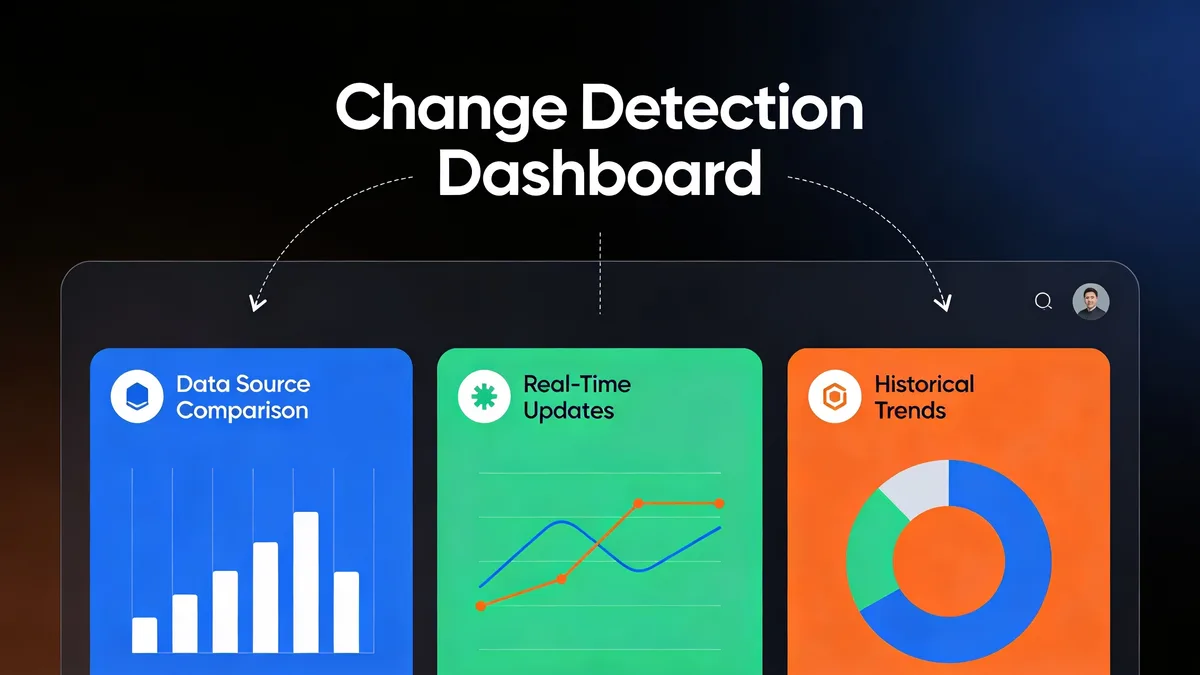
Website defacement attacks can destroy years of brand building in minutes. I've seen teams scramble when their homepage suddenly displays malicious content, losing customer trust and revenue while frantically trying to restore their site. The good news? Modern detection technologies can identify these threats in as little as 2 minutes, giving you the rapid response window needed to minimize damage.
In my 6+ years managing infrastructure monitoring, I've witnessed the evolution from manual checks to AI-powered detection systems. The website defacement monitoring market has grown from $420 million in 2026 to a projected $885 million by 2033, driven by increasingly sophisticated attack vectors and the urgent need for real-time protection.
Understanding Website Defacement: Types and Impact
Website defacement occurs when attackers modify your website's visual appearance or content without authorization. Unlike subtle data breaches, defacements are immediately visible to visitors, making them particularly damaging to brand reputation.
Common Defacement Attack Vectors
Attackers typically exploit several entry points to compromise websites. SQL injection remains one of the most common methods, where malicious code is inserted through vulnerable input fields. Cross-site scripting (XSS) attacks inject malicious scripts that alter page content when executed by visitors' browsers.
Weak administrative credentials provide another easy target. I've seen countless incidents where attackers gained access through brute force attacks on default or weak passwords. Once inside, they can modify any content on the site.
Server vulnerabilities in outdated software create additional attack surfaces. Content management systems like WordPress, when not properly maintained, become prime targets for automated defacement tools.
Business Impact and Recovery Costs
The financial impact of website defacement extends far beyond immediate cleanup costs. Revenue loss occurs instantly as visitors encounter defaced content and lose confidence in your brand. E-commerce sites face particularly severe consequences, with customers abandoning purchases and seeking alternatives.
Search engine rankings suffer significant damage when defaced content is indexed. Google's algorithms detect suspicious changes, potentially resulting in penalties that take months to recover from. I've worked with teams who lost 60% of their organic traffic after a defacement incident.
Recovery costs include emergency response fees, forensic analysis, content restoration, and potential legal expenses if customer data is exposed. The average cyber incident breakout time is 48 minutes, emphasizing how quickly damage accumulates without proper detection.
Why Traditional Security Falls Short
Traditional security measures focus primarily on prevention but often miss active compromises. Firewalls and intrusion detection systems excel at blocking known attack patterns but struggle with novel techniques or attacks that exploit legitimate access channels.
Manual monitoring approaches are simply too slow for modern threat landscapes. Checking your website once daily leaves 23+ hours of potential exposure time. Even hourly checks provide attackers with significant windows to cause damage.
Static security scans miss dynamic content changes that occur after the initial compromise. A site might pass security audits while displaying malicious content to visitors, creating a false sense of security.
Modern Detection Technologies and Methods
Today's defacement detection relies on multiple sophisticated technologies working together to identify threats rapidly and accurately.
AI-Powered Visual Regression Detection
Artificial intelligence has revolutionized how we detect website defacement by analyzing visual changes with unprecedented accuracy. Modern AI systems capture website screenshots at regular intervals and use machine learning algorithms to identify anomalies.
These systems learn your website's normal appearance patterns and flag deviations that indicate potential defacement. Unlike simple pixel comparison, AI can distinguish between legitimate design updates and malicious modifications based on context and change patterns.
Visual regression detection excels at catching subtle alterations that might escape human notice. Attackers often make small changes to test their access before launching major defacements, and AI systems can detect these reconnaissance activities.
Content Change Monitoring
Content monitoring focuses on textual and code-level changes rather than visual appearance. This approach detects malicious script injections, unauthorized text modifications, and hidden content that might not be visually obvious.
Advanced content monitoring systems parse HTML, CSS, and JavaScript to identify suspicious additions or modifications. They can detect cryptojacking scripts, hidden links for SEO manipulation, and other malicious code that doesn't alter visual appearance.
Hash-based content verification provides another layer of protection by creating unique fingerprints for critical page elements. Any unauthorized change to monitored content triggers immediate alerts, regardless of visual impact.
Behavioral Traffic Analysis
Emerging detection methods analyze traffic patterns to identify potential defacement activities. Unusual access patterns, unexpected geographic origins, or suspicious user agent strings can indicate compromise attempts.
Behavioral analysis systems establish baselines for normal website interaction patterns and flag deviations that suggest malicious activity. This approach can detect defacement attempts before they succeed, providing proactive protection.
Machine learning algorithms continuously refine their understanding of normal vs. suspicious behavior, reducing false positives while improving detection accuracy over time.
Blockchain Integrity Verification
Blockchain technology offers immutable content verification by storing cryptographic hashes of critical website elements. Any unauthorized change becomes immediately apparent when compared against the blockchain record.
This emerging technology provides tamper-proof evidence of content integrity and can trigger automated responses when discrepancies are detected. While still developing, blockchain verification shows promise for high-security applications.
Smart contracts can automate response procedures when integrity violations are detected, enabling rapid remediation without human intervention.
Setting Up Proactive Defacement Detection
Implementing effective defacement detection requires careful configuration of monitoring frequency, alert criteria, and detection layers.
Choosing Detection Frequency
Detection frequency directly impacts your response window and monitoring costs. Critical e-commerce sites benefit from 2-5 minute check intervals, while corporate websites might use 15-30 minute frequencies for cost efficiency.
I recommend starting with 15-minute intervals for most production sites, then adjusting based on your risk tolerance and budget. High-traffic sites generating significant revenue per minute justify more frequent monitoring despite higher costs.
Consider your website's update patterns when setting frequencies. Sites with frequent content changes might need more sophisticated filtering to avoid false positives from legitimate updates.
Configuring Custom Alert Criteria
Modern detection platforms offer customizable criteria to reduce false positives while maintaining sensitivity to real threats. AI-powered systems allow natural language prompts like "alert on major appearance changes but ignore minor text updates."
Configure alerts based on specific page areas rather than entire pages when possible. Homepage headers, navigation menus, and critical content sections often warrant more sensitive monitoring than footer areas or sidebars.
Set up different alert thresholds for different page types. Product pages might need immediate alerts for any visual changes, while blog posts could tolerate minor modifications without triggering urgent notifications.
Multi-Layer Monitoring Approach
The most effective defacement detection combines multiple monitoring methods for comprehensive coverage. Visual monitoring catches appearance changes, content monitoring detects code modifications, and DNS monitoring identifies infrastructure compromises.
Layer your detection systems to create redundancy without overwhelming alert volumes. Primary detection should focus on the most critical indicators, with secondary systems providing additional coverage for edge cases.
Integrate monitoring with your existing security infrastructure to create unified alerting workflows. SIEM platforms can correlate defacement alerts with other security events to provide complete incident context.
Best Detection Tools and Platforms Comparison
The defacement detection landscape offers various solutions, each with distinct strengths and limitations.
AI-Powered Solutions (Visualping, Astra)
Visualping provides accessible AI-powered monitoring with customizable detection criteria. Their platform offers check intervals as frequent as 2 minutes and uses machine learning to distinguish between legitimate changes and potential defacements.
The service excels at visual regression detection and offers intuitive configuration options. Pricing starts around $10/month for basic plans, making it accessible for smaller organizations while scaling to enterprise needs.
Astra Security focuses on enterprise-grade detection with advanced machine learning capabilities. Their system identifies zero-day defacements and provides real-time threat intelligence integration.
Comprehensive Security Platforms (Sucuri)
Sucuri combines defacement detection with broader security services including WAF protection, malware scanning, and incident response. Their machine learning algorithms analyze file changes and anomalous behavior patterns.
The platform provides end-to-end security rather than detection alone, making it suitable for organizations wanting comprehensive protection. Pricing starts at $199/year but includes multiple security layers beyond defacement monitoring.
Professional cleanup and forensic services distinguish Sucuri from detection-only solutions, providing complete incident response capabilities when defacements occur.
Multi-Layer Monitoring Services
Platforms offering multi-layer monitoring combine defacement detection with uptime, performance, and infrastructure monitoring. This approach provides holistic website health visibility while detecting various threat types.
Services like Visual Sentinel integrate content monitoring with visual regression detection, creating comprehensive protection against different defacement techniques. The unified dashboard approach simplifies management for DevOps teams.
Multi-layer platforms often provide better value for teams already needing uptime and performance monitoring, consolidating multiple tools into single solutions.
| Tool | Detection Method | Check Frequency | Starting Price | Key Strengths |
|---|---|---|---|---|
| Visualping | AI visual regression | 2-60 minutes | $10/month | Easy setup, custom AI prompts |
| Sucuri | ML + file analysis | Real-time | $199/year | Comprehensive security suite |
| Astra Security | Zero-day ML detection | Real-time | Custom pricing | Enterprise threat intelligence |
| Visual Sentinel | Multi-layer monitoring | 1-60 minutes | Variable | Unified website health monitoring |
Reducing False Positives and Alert Fatigue
Effective defacement detection must balance sensitivity with practicality to avoid overwhelming teams with false alerts.
Smart Filtering Techniques
Modern AI systems learn your website's normal change patterns to filter out routine updates. Machine learning algorithms analyze historical modifications to establish baselines for legitimate content changes.
Configure detection zones to focus on critical page areas while ignoring regions that change frequently. Header navigation, main content areas, and call-to-action buttons typically warrant sensitive monitoring, while sidebars and footer areas might use relaxed criteria.
Implement change magnitude thresholds to distinguish between minor tweaks and significant modifications. Small text corrections shouldn't trigger urgent alerts, while major layout changes or new script additions should receive immediate attention.
Custom Detection Rules
Create specific rules for your website's unique characteristics and update patterns. E-commerce sites might ignore product price changes but alert on payment form modifications. News sites could filter routine article updates while monitoring for unauthorized editorial changes.
Time-based filtering helps reduce alerts during known maintenance windows. Schedule relaxed monitoring during planned update periods while maintaining full sensitivity during off-hours when unauthorized changes are more likely.
Keyword-based filtering can identify specific types of malicious content. Configure alerts for common defacement phrases, suspicious script patterns, or unauthorized external links while ignoring benign content modifications.
Team Update Exclusions
Implement workflow integration to automatically exclude legitimate team updates from triggering alerts. Many platforms offer API endpoints that can be called during deployment processes to suppress monitoring temporarily.
Create team notification systems that inform monitoring tools about planned changes. Simple webhook calls during content management activities can prevent false positives without compromising security.
Establish clear protocols for emergency overrides when urgent updates must bypass normal exclusion processes. Balance operational flexibility with security requirements through well-defined procedures.
Incident Response and Recovery Strategies
Rapid response capabilities determine how effectively you can minimize defacement damage once detection occurs.
Immediate Response Protocols
Develop automated response procedures that activate immediately upon defacement detection. The first 2-5 minutes are critical for limiting exposure and beginning recovery processes.
Create incident response runbooks with specific steps for different defacement scenarios. Visual defacements require different responses than code injections or data modifications. Clear procedures reduce response time and ensure consistent handling.
Establish communication protocols for notifying stakeholders during incidents. Marketing teams need immediate awareness of brand damage, while technical teams focus on restoration procedures. Coordinated communication prevents confusion and duplicated efforts.
Automated Remediation Workflows
Modern platforms integrate with SOAR (Security Orchestration, Automation, and Response) systems to enable automated remediation. Webhook integrations can trigger backup restoration, traffic redirection, or content rollback procedures.
Implement automated backup systems that activate during defacement incidents. Cloud-based backups can restore clean content within minutes when properly configured and tested regularly.
Configure traffic management systems to redirect visitors during restoration activities. Maintenance pages or cached versions can maintain user experience while cleanup proceeds in the background.
Post-Incident Analysis
Conduct thorough forensic analysis to understand attack vectors and prevent recurrence. Log analysis, access pattern review, and vulnerability assessment help identify security gaps that enabled the compromise.
Document lessons learned and update detection criteria based on incident characteristics. Each defacement provides valuable intelligence for improving future detection and response capabilities.
Review and test response procedures regularly to ensure effectiveness. Incident response capabilities degrade without regular practice and updating based on evolving threat landscapes.
Integration with Existing Security Infrastructure
Defacement detection works best when integrated with broader security ecosystems rather than operating in isolation.
SIEM and SOAR Platform Connections
Security Information and Event Management (SIEM) platforms can correlate defacement alerts with other security events to provide complete incident context. API integrations enable automatic ticket creation and workflow triggering.
SOAR platforms automate response procedures by orchestrating multiple security tools during incidents. Defacement detection can trigger vulnerability scans, access reviews, and remediation workflows without manual intervention.
Webhook integrations provide flexible connection options for custom security tools and processes. Most modern detection platforms offer REST APIs that enable seamless integration with existing infrastructure.
WAF and Prevention Layer Coordination
Web Application Firewalls (WAFs) provide complementary protection by blocking attack attempts before they succeed. Coordinate detection and prevention systems to create layered defense strategies.
Configure WAF rules based on defacement detection patterns to prevent similar future attacks. Intelligence from successful defacements can improve prevention capabilities over time.
Monitor WAF logs for blocked attempts that might indicate reconnaissance activities preceding defacement attacks. Coordinated analysis provides early warning of potential threats.
DevOps Workflow Integration
Integrate defacement detection with CI/CD pipelines to distinguish between legitimate deployments and unauthorized changes. Automated deployment notifications can suppress false positives during planned updates.
Configure monitoring systems to understand deployment patterns and adjust sensitivity accordingly. Post-deployment monitoring can verify that changes match intended modifications.
Implement rollback procedures that can be triggered automatically when unauthorized changes are detected. Infrastructure as Code (IaC) approaches enable rapid restoration to known good states.
Future of Defacement Detection (2026-2028)
The defacement detection landscape continues evolving with emerging technologies and changing threat patterns.
Predictive Risk Analysis
Emerging systems analyze vulnerability patterns and threat intelligence to predict defacement risks before attacks occur. Machine learning algorithms identify websites likely to be targeted based on technology stacks, security postures, and historical patterns.
Predictive analysis enables proactive security measures rather than reactive responses. Teams can address vulnerabilities and strengthen defenses before attackers exploit weaknesses.
Integration with threat intelligence feeds provides early warning of campaigns targeting specific industries or technologies. Contextual awareness improves both prediction accuracy and response effectiveness.
Automated Prevention Technologies
Future systems will move beyond detection to active prevention through automated security measures. AI-powered systems might automatically patch vulnerabilities, update security configurations, or implement protective measures when threats are identified.
Automated content restoration capabilities will enable immediate recovery without human intervention. Blockchain-verified backups and smart contracts could trigger instantaneous restoration when defacements are detected.
Self-healing infrastructure will adapt security postures dynamically based on detected threats and changing risk profiles. Automated responses will become more sophisticated while maintaining operational stability.
Regulatory Compliance Trends
Increasing regulatory requirements around data protection and website security will drive adoption of comprehensive monitoring solutions. GDPR and similar regulations create legal obligations for rapid incident detection and response.
Compliance frameworks will likely mandate specific detection capabilities and response timeframes. Organizations will need documented monitoring procedures and incident response capabilities to meet regulatory requirements.
Industry standards for defacement detection and response will emerge as threats become more sophisticated. Standardized approaches will improve overall security posture across industries while enabling better tool interoperability.
The market growth to $885 million by 2033 reflects the critical importance of proactive defacement detection in modern security strategies. Organizations that implement comprehensive monitoring now will be better positioned to handle evolving threats while maintaining customer trust and regulatory compliance.
Effective defacement detection requires combining multiple technologies, integrating with existing security infrastructure, and maintaining rapid response capabilities. The investment in proper monitoring systems pays dividends through reduced incident impact, faster recovery times, and maintained brand reputation in an increasingly dangerous digital landscape.
Frequently Asked Questions
How quickly can modern tools detect website defacement?
Advanced AI-powered tools can detect defacement in as little as 2 minutes with premium monitoring plans. Free tiers typically offer hourly checks, while paid services provide monitoring intervals from 2-15 minutes for critical websites.
Do defacement detection tools prevent attacks or just detect them?
Most tools primarily detect and alert rather than prevent attacks. They function like security alarms, requiring complementary prevention measures like WAFs, regular updates, and security patches for complete protection.
How can I reduce false positives from legitimate website updates?
Modern AI/ML algorithms can distinguish between malicious changes and legitimate updates. You can configure custom criteria, exclude specific page areas, and set up team notification systems to filter out planned changes.
What are the typical costs of website defacement recovery?
Recovery costs include immediate revenue loss, SEO ranking drops, cleanup expenses, and potential legal issues. Studies show defacement can cause significant brand damage within minutes, making proactive detection a cost-effective investment.
Should I use visual monitoring or content change detection?
The most effective approach combines both methods. Visual regression monitoring catches appearance changes, while content monitoring detects text modifications and malicious code injections that might not be visually obvious.
How does defacement detection integrate with existing security tools?
Modern detection platforms offer webhook integrations, SIEM connectivity, and SOAR platform compatibility. This allows automated incident response workflows and centralizes alerts within your existing security infrastructure.
Related: How to Detect Website Defacement in 2026 — learn the early warning signs and automated detection methods.
Related: Website Content Change Detection (2026) — how to set up content monitoring to catch unauthorized modifications.
Start Monitoring Your Website for Free
Get 6-layer monitoring, uptime, performance, SSL, DNS, visual, and content checks, with instant alerts when something goes wrong.
Get Started